July 2026 Just Rewrote Heat Records Across the Globe
Jennifer Smith ·
Listen to this article~4 min
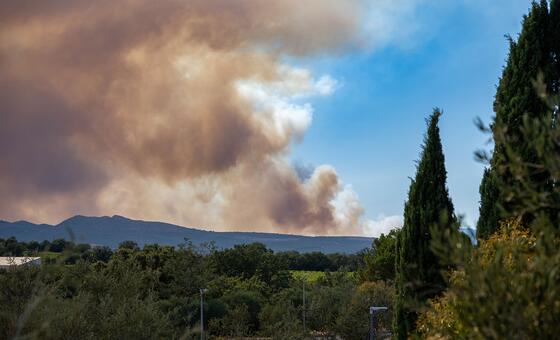
July 2026 was the second-hottest July on record globally, with ocean surface temperatures hitting an all-time high. The WMO says extreme heat, drought, wildfires, and floods are causing serious damage worldwide.
You might have felt it yourself—that relentless heat that made even the simplest outdoor errand feel like a marathon. Well, it wasn't just you. Last month officially went down as the second-hottest July ever recorded on a global scale, and the ocean surface temperatures hit an all-time high for this time of year. The World Meteorological Organization (WMO) dropped that news today, and honestly, it's a lot to unpack.
### Why the Ocean Matters More Than You Think
Here's the thing about ocean heat: it's not just about warmer water for swimming. The ocean acts like the planet's giant thermostat, absorbing most of the excess heat from greenhouse gas emissions. When that thermostat gets out of whack, everything else follows. Warmer seas mean more energy for storms, faster melting of polar ice, and a direct hit on marine ecosystems that millions of people depend on for food and income.
And we're not talking about a tiny bump. The WMO reported that this July's ocean surface temperatures were the highest ever recorded for that month, beating previous records by a noticeable margin. That's not a statistic to shrug off—it's a signal that the system we all rely on is under serious strain.
### Real-World Consequences Are Already Here
It's easy to get lost in the numbers, but the reality on the ground is where it hits home. This summer, extreme heat waves have baked entire regions, turning cities into furnaces and pushing power grids to their limits. Droughts have dried up reservoirs and turned farmlands into dust bowls, threatening food supplies and driving up prices at the grocery store. Wildfires have torn through forests and neighborhoods alike, forcing thousands to evacuate and leaving a trail of smoke and ash across hundreds of miles.
Then there's the flip side: floods. Because a warmer atmosphere holds more moisture, when it does rain, it often comes down in violent, destructive bursts. Streets become rivers, basements fill up, and communities that have never seen flooding are suddenly dealing with it on a regular basis.
- Extreme heat: record-breaking temperatures in multiple regions, with some areas hitting 115°F or higher
- Drought: water restrictions in place across several states, affecting agriculture and daily life
- Wildfires: millions of acres burned, with smoke plumes traveling hundreds of miles
- Flooding: flash floods in urban areas, causing millions of dollars in damage
### What the WMO Is Actually Saying
The WMO didn't just drop these numbers for fun. Their message is clear: this is not a fluke, and it's not a one-off. It's part of a trend that's been building for years, and the impacts are compounding. They're urging governments, businesses, and individuals to take the data seriously and act on it—not just for the planet's sake, but for the sake of our own economies and communities.
Think about it this way: every record broken is a preview of what's to come if we don't change course. It's like a fever that keeps climbing—you don't ignore it and hope it goes away. You address the underlying cause.
### What Can You Actually Do?
It's easy to feel powerless in the face of global climate data, but there are practical steps that add up. For starters, being mindful of water usage during drought conditions makes a real difference. Supporting local initiatives that push for renewable energy and better infrastructure helps on a broader scale. And staying informed—reading reports like this one, understanding the trends—means you're not caught off guard when the next heat wave or storm hits.
We're all in this together, whether we like it or not. The good news? Awareness is the first step, and it's growing. The more people understand what's happening, the harder it becomes to ignore. And that, at least, is something worth holding onto.