July 2026 Just Shattered Heat Records Across the Globe
David Smith ·
Listen to this article~5 min
July 2026 was the second-hottest on record, and ocean temperatures hit an all-time high for the month. The WMO's latest report reveals a troubling pattern of extreme heat, drought, and flooding that's affecting people and ecosystems worldwide.
July 2026 wasn't just another hot month. It was a warning shot. According to the World Meteorological Organization (WMO), last month ranked as the second-hottest July ever recorded on a global scale. And here's the kicker: the surface temperature of the world's oceans hit an all-time high for that month. That's not just a number on a chart; it's a signal that something fundamental is shifting beneath us.
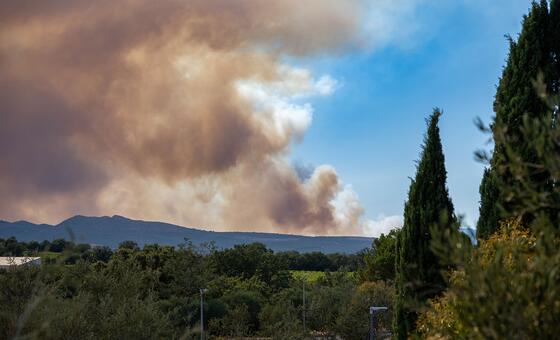
We're not talking about a few uncomfortable afternoons. Extreme heat, drought, wildfires, and devastating floods are now hitting harder and more often. These aren't isolated events happening somewhere far away. They're affecting people, economies, and entire ecosystems right now, in real time. And the WMO's latest report makes it clear: this isn't a fluke. It's a pattern.
### What the Numbers Actually Tell Us
Let's break down what the WMO announced today, because the details matter more than the headline.
- **Global air temperature:** July 2026 came in as the second warmest July on record, trailing only a recent outlier year. That puts us consistently in uncharted territory.
- **Ocean surface temperature:** This is the big one. The average sea surface temperature was the highest ever recorded for July. Oceans absorb about 90% of the excess heat from greenhouse gas emissions, so when they warm up, we all feel it eventually.
- **Regional extremes:** Some areas saw temperature anomalies of more than 5 degrees Fahrenheit above the long-term average. That's not a subtle shift; that's a dramatic leap.
These numbers aren't just statistics for scientists to debate in a lab. They translate directly into the weather we experience. Hotter oceans mean more energy for storms, which means more intense hurricanes and heavier rainfall events. It's all connected.
### Why Ocean Heat Is the Story Everyone Misses
We tend to focus on air temperature because that's what we feel when we step outside. But the ocean is the real engine here. When sea surface temperatures break records, it's like the planet's thermostat getting stuck on high. That extra heat doesn't just disappear; it fuels everything from coral bleaching to shifting jet streams.
Think of the ocean as a giant battery. It charges up slowly over decades, storing immense amounts of heat. But once it's charged, it releases that energy in bursts. Those bursts show up as prolonged heatwaves, sudden downpours, and wildfires that spread faster than crews can contain them. The WMO's report highlights that these aren't hypothetical scenarios. They're happening now, across multiple continents.
### The Human and Economic Toll
It's easy to get lost in the data, but let's bring it back to ground level. The extreme conditions we're seeing aren't just inconvenient; they're expensive and dangerous.
- **Agriculture:** Crop failures from drought and heat stress are driving up food prices. A single bad season can wipe out a farmer's entire income.
- **Infrastructure:** Roads buckling, power grids straining, and water supplies shrinking. Cities aren't built for this kind of sustained heat.
- **Health:** Heat-related illnesses are on the rise, especially among vulnerable populations like the elderly and outdoor workers. Emergency rooms are feeling the pressure.
And then there's the longer-term damage. Ecosystems that take decades to recover are being pushed to the brink. Forests that used to bounce back from fires are now struggling to regrow. Coral reefs, which support a quarter of all marine life, are bleaching at alarming rates.
### What Comes Next
Here's the honest truth: this isn't a problem we can wait out. The WMO's data is a clear indicator that the pace of change is accelerating. The good news is that we know what's causing it, and we have the tools to address it. But it requires action, not just acknowledgment.
For individuals, it means being prepared for more extreme weather events. For businesses, it means factoring climate risk into long-term planning. For governments, it means investing in resilient infrastructure and cutting emissions faster. None of this is easy, but the cost of doing nothing is far higher.
### A Call to Pay Attention
The fact that July 2026 broke records isn't just a headline. It's a snapshot of where we're headed if we don't change course. The oceans are telling us something, and the WMO is just the messenger. The question is whether we're ready to listen.
Stay informed, stay prepared, and don't let this slide into the background noise. The weather is no longer just small talk; it's the most important conversation we're having.