July 2026 Just Smashed Heat Records Across the Globe
Sarah Taylor ·
Listen to this article~4 min
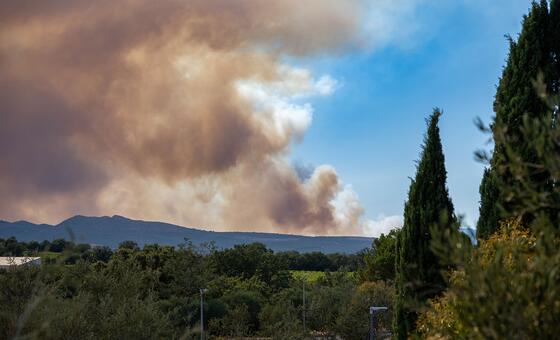
July 2026 was the second hottest on record globally, with ocean surface temps hitting an all-time high. Extreme heat, drought, wildfires, and floods are wreaking havoc worldwide, according to the WMO.
If you thought this summer felt brutal, you weren't imagining things. Last month officially went down as the second hottest July ever recorded on a global scale. And here's the kicker: ocean surface temperatures hit an all-time high for that month, which is a pretty big deal when you think about how much of our planet is covered by water.
The World Meteorological Organization (WMO) dropped this news today, and honestly, it's a mixed bag of alarming stats and real-world consequences. We're not just talking about uncomfortable afternoons. We're talking about extreme heat waves, worsening droughts, wildfires tearing through communities, and floods that are upending lives across multiple continents.
### What the Numbers Really Tell Us
Let's break down what "second hottest" actually means. It's not just a line in a spreadsheet. It's a signal that our climate is shifting in ways that affect everything from your morning commute to the price of groceries.
- Global air temperatures were nearly 0.2 degrees Fahrenheit higher than the 1991–2020 average for July.
- Ocean surface temperatures exceeded the previous July record by a noticeable margin.
- Several regions in North America, Europe, and Asia saw daily highs that toppled long-standing local records.
These aren't isolated spikes. They're part of a pattern that's been building for years, and July 2026 just added another layer of evidence.
### Why Ocean Heat Matters More Than You'd Think
Here's something most people overlook: when the ocean gets hotter, it doesn't just stay there. Warmer water means more evaporation, which fuels stronger storms. It also messes with marine life, from tiny plankton all the way up to the fish we rely on for food.
Think of the ocean as a giant battery that stores heat. When that battery is overcharged, it releases energy in unpredictable ways. That's why you're seeing weird weather patterns—like sudden downpours in usually dry areas or unexpected dry spells in typically rainy zones.
### The Human and Economic Toll
This isn't just about weather nerds and climate scientists getting worked up. Real people are feeling this right now. Farmers are watching crops wither under relentless sun. Emergency crews are stretched thin battling blazes that seem to multiply overnight. And families in flood-prone areas are dealing with water where their homes used to be.
The economic damage is staggering. Billions of dollars are being lost to infrastructure repairs, agricultural losses, and healthcare costs tied to heat-related illnesses. And let's be honest—those costs eventually trickle down to all of us, whether it's through higher insurance premiums or pricier produce at the supermarket.
### What Can We Actually Do About It?
It's easy to feel helpless when the headlines are this grim, but there are practical steps being taken. Cities are investing in more green spaces to combat the urban heat island effect. Early warning systems are getting smarter, giving people more time to prepare for extreme weather events. And renewable energy adoption keeps climbing, which slowly chips away at the root cause.
"The data is clear, but so is the path forward," said a WMO spokesperson during today's briefing. "Every fraction of a degree we prevent matters."
### The Bottom Line
July 2026 wasn't just another hot month. It was a wake-up call written in temperature records and ocean readings. Whether you're a policymaker, a business owner, or just someone trying to keep your lawn alive, this affects you. The good news is that awareness is growing, and with it, the push for meaningful change.
We'll be keeping an eye on the rest of the summer and beyond, because if this trend continues, we're in for a ride that none of us signed up for. Stay cool out there, and maybe think twice before booking that beach vacation for August.