July 2026 Shattered Heat Records Across Multiple Regions
Dr. Annelies De Vos ·
Listen to this article~4 min
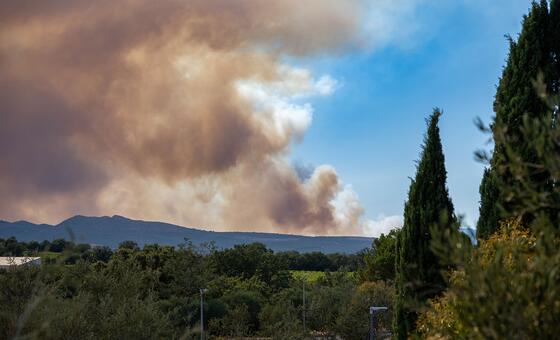
July 2026 was the second hottest July on record globally, with ocean surface temperatures hitting an all-time high. The WMO reports extreme heat, drought, wildfires, and floods are already causing serious damage worldwide.
Last month wasn't just another hot July. It turned out to be the second hottest July ever recorded on a global scale, according to new data released by the World Meteorological Organization (WMO). And here's the kicker: the average temperature of the world's ocean surface hit an all-time high for that month. That's not just a number on a chart. It's a signal that the planet's heat engine is running on overdrive, and we're all feeling the exhaust.
### What the Numbers Actually Tell Us
The WMO's latest report paints a clear picture. July 2026 came in just a hair behind the all-time warmest July, which was set just a few years ago. But what makes this month stand out isn't just the land heat. It's the ocean. When sea surface temperatures break records, it changes everything from weather patterns to hurricane seasons. Warmer oceans mean more evaporation, which means more intense storms, heavier rainfall in some places, and prolonged drought in others.
Here's what the data shows for July 2026:
- Global land temperatures were well above the 20th-century average, with several regions seeing anomalies of more than 4 degrees Fahrenheit.
- Ocean surface temperatures exceeded previous July records by a noticeable margin, particularly in the Atlantic and Pacific basins.
- Extreme heat waves hit parts of North America, Europe, and Asia, with some areas seeing consecutive days above 100°F.
- Wildfire activity was above normal in several dry regions, driven by low humidity and gusty winds.
- Flooding events occurred in areas that received sudden, intense downpours, overwhelming drainage systems and causing property damage.
### Why the Ocean Matters More Than You Think
You might wonder why ocean temperatures should concern someone living in Arizona or Ohio. The answer is simple: the ocean is the planet's thermostat. It absorbs about 90 percent of the excess heat from greenhouse gas emissions. When it gets warmer, it doesn't just sit there. It releases that heat back into the atmosphere, fueling stronger storms and shifting jet streams. That means a warmer ocean in July can lead to a colder, wetter winter in some places and a drier, hotter one in others. It's all connected, and the WMO is basically telling us that the system is out of balance.
### Real-World Impacts Already Showing Up
This isn't a distant scenario. The WMO report highlights that extreme heat, drought, wildfires, and floods are already causing serious damage to people, economies, and ecosystems around the world. In the United States, we've seen heat advisories stretch for weeks in the Southwest, while parts of the Southeast have dealt with flash flooding from stalled thunderstorm systems. Farmers in the Midwest are watching crops struggle under heat stress, which could push food prices higher later this year.
> "What we're seeing in July 2026 is not an anomaly. It's a pattern that's becoming the new normal, and we need to adapt accordingly." — WMO spokesperson
### What This Means for the Rest of 2026
If July is any indication, the rest of the year could bring more weather extremes. The WMO is urging governments and communities to prepare for continued heat waves, stronger storms, and shifting rainfall patterns. For everyday people, that might mean checking on vulnerable neighbors during heat alerts, having an emergency kit ready for power outages, and staying informed about local weather warnings.
### The Bottom Line
We don't need to panic, but we do need to pay attention. The July 2026 temperature records are a wake-up call that climate change isn't something happening in the future. It's happening right now, in our neighborhoods, in our oceans, and in our daily weather forecasts. The more we understand what's driving these extremes, the better we can prepare for what's coming next.