July 2026 Just Smashed Heat Records Across the Globe—Here's What It Means
David Wilson ·
Listen to this article~4 min
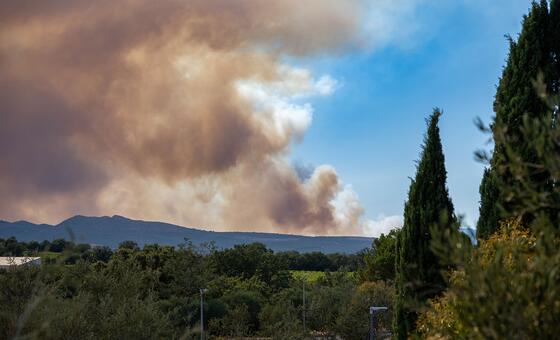
July 2026 was the second-hottest on record, with ocean temperatures hitting new highs. Here's what that means for weather, crops, and your daily life.
Last month wasn't just another hot July. It was the second-hottest July ever recorded on a global scale, and ocean surface temperatures hit an all-time high for the month. That's not a small detail—it's a signal that the planet's systems are under serious strain.
The World Meteorological Organization (WMO) confirmed the news, and the numbers are hard to ignore. Extreme heat, drought, wildfires, and floods are no longer rare events happening somewhere far away. They're here, they're frequent, and they're hitting people, economies, and ecosystems hard.
If you're in the United States, you might have felt it yourself. Maybe your region saw a stretch of 100°F days that felt endless. Maybe a wildfire smoke advisory popped up on your phone. Or maybe you watched a storm dump several inches of rain in just a few hours, turning streets into rivers.
### Why Ocean Temperatures Matter More Than You Think
When ocean surface temperatures climb to record levels, it's not just a problem for marine life. Warmer oceans fuel stronger hurricanes, shift weather patterns, and disrupt fishing industries that millions rely on. The Atlantic, Pacific, and Indian Oceans all play a role in regulating the climate, and when they heat up, everything else follows.
Think of the ocean as the planet's air conditioner. When it's working normally, it absorbs heat and keeps things balanced. But when it gets overloaded, it starts releasing that heat back into the atmosphere. That's when you see heatwaves that linger for weeks and storms that intensify almost overnight.
### The Human and Economic Toll
Let's talk about what this means in practical terms. For farmers in the Midwest, a drought can wipe out an entire season of crops. That pushes food prices up at the grocery store. For families in coastal states, rising sea levels and stronger storm surges mean higher insurance premiums and, in some cases, the risk of losing their homes.
Here's a quick look at the ripple effects we're already seeing:
- **Agriculture:** Crop yields drop during extreme heat, which can lead to higher prices for staples like corn, wheat, and soybeans.
- **Energy demand:** Air conditioning usage spikes, putting pressure on power grids and driving up electricity bills.
- **Public health:** Heat-related illnesses and respiratory issues from wildfire smoke are on the rise, especially among vulnerable populations.
- **Infrastructure:** Roads buckle, rail lines warp, and water systems strain under the pressure of extreme conditions.
### What Can We Do About It?
It's easy to feel helpless when the headlines are this grim, but there are real steps being taken. Local governments are investing in better early warning systems. Utilities are upgrading grids to handle peak loads. And individuals are making changes too—like installing solar panels, planting drought-resistant gardens, and supporting policies that reduce emissions.
None of this is a quick fix, but every degree of warming we avoid matters. The WMO's report isn't just a warning; it's a call to action. The more we understand what's happening, the better equipped we are to adapt and prepare.
### The Bottom Line
July 2026 wasn't an anomaly. It's part of a trend that's been building for decades. The record-breaking ocean temperatures and the second-hottest July on record are reminders that climate change isn't a distant threat—it's happening right now, in our neighborhoods, in our oceans, and in our daily lives.
Staying informed is the first step. The next is figuring out what you can do, whether that's reducing your own footprint, supporting climate-resilient infrastructure, or simply being prepared for the next extreme weather event. Because if there's one thing this July taught us, it's that the weather is no longer something we can take for granted.