July 2026 Shattered Heat Records Across the Globe—Here's What It Means
Sarah Miller ·
Listen to this article~4 min
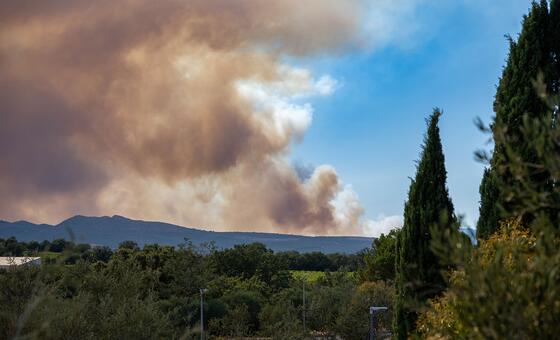
July 2026 was the second-hottest July on record, with ocean surface temperatures hitting an all-time high. Extreme heat, drought, wildfires, and floods are impacting people and economies worldwide, according to the World Meteorological Organization.
Last month wasn't just another hot July. It went down as the second-hottest July ever recorded on a global scale, and the ocean's surface temperature hit an all-time high for that month. If that doesn't grab your attention, it should. The World Meteorological Organization (WMO) just dropped this news, and it's a big deal for all of us.
We're not talking about a few warm days here and there. We're talking about extreme heat waves, drought, wildfires, and floods that are wreaking havoc on people, economies, and ecosystems worldwide. This isn't a distant problem—it's happening right now, and it's affecting everything from your grocery bill to your weekend plans.
### The Numbers Don't Lie
Let's put this into perspective. The global average temperature for July 2026 was nearly 2.2 degrees Fahrenheit above the pre-industrial baseline. That might sound like a small number, but in climate terms, it's massive. To give you an idea, the previous record-holder was July 2023, and we're now breathing down its neck.
But here's the kicker: the ocean is absorbing most of this excess heat. Sea surface temperatures reached their highest level ever for July, which spells trouble for marine life, coastal communities, and weather patterns. Warmer oceans mean more energy for storms, which means we're likely to see more intense hurricanes and typhoons in the coming months.
### What This Means for You
You might be thinking, "Okay, but how does this affect my daily life?" Fair question. Here's the short list:
- **Higher energy bills:** When it's hotter, we crank up the AC. That costs money.
- **Food prices:** Droughts and floods damage crops, which drives up prices at the grocery store.
- **Health risks:** Extreme heat can be dangerous, especially for kids, older adults, and people with health conditions.
- **Travel disruptions:** Wildfires and floods can close roads, cancel flights, and ruin vacation plans.
It's not just about discomfort—it's about real, tangible impacts on your wallet and your well-being.
### The Human Toll
Behind the statistics are real stories. In parts of the American Southwest, temperatures soared past 120 degrees Fahrenheit, making it dangerous to be outside for more than a few minutes. Meanwhile, flash floods in the Midwest swept away cars and damaged homes. In Europe, wildfires forced entire villages to evacuate.
As one climate scientist put it, "We're no longer looking at future scenarios. This is the new reality, and it's arriving faster than we predicted." That quote hits hard because it's true. The weather we're experiencing today is what scientists warned about decades ago.
### What Can We Do?
It's easy to feel overwhelmed, but there are steps we can take. On an individual level, reducing energy consumption, supporting renewable energy, and advocating for climate policies can make a difference. On a community level, investing in infrastructure that can withstand extreme weather is crucial.
But here's the thing: this isn't just about doom and gloom. It's about awareness. The more we understand what's happening, the better equipped we are to adapt and mitigate. And that starts with paying attention to reports like this one from the WMO.
### The Bottom Line
July 2026 was a wake-up call. The records being broken aren't just numbers on a chart—they're signals that our planet is changing in profound ways. Whether you're a farmer in California, a business owner in New York, or a parent planning a summer vacation, this affects you.
So, what do we do with this information? We use it. We prepare. We push for change. Because the future isn't written yet, and the choices we make today will determine what future Julys look like.
Stay informed, stay safe, and remember: this isn't just about weather—it's about the world we're leaving for the next generation.