July 2026 Just Shattered Heat Records Across the Globe
Sarah Taylor ·
Listen to this article~4 min
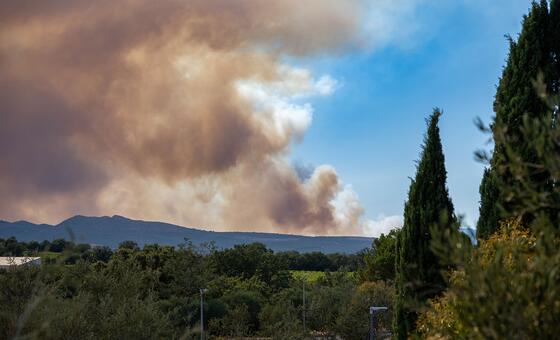
July 2026 became the second-hottest month on record, with ocean temperatures hitting all-time highs, fueling wildfires, droughts, and floods worldwide.
Last month wasn't just another hot summer month. It officially became the second-hottest July ever recorded on a global scale, according to new data from the World Meteorological Organization (WMO). And here's the part that should really grab your attention: the average temperature of the world's oceans hit an all-time high for July, which is a massive red flag for weather patterns everywhere.
We're not just talking about a few uncomfortable days at the beach. This kind of extreme heat is fueling a chain reaction of disasters that are hitting people, economies, and entire ecosystems hard. From scorching heatwaves that strain power grids to relentless droughts that dry up reservoirs, the effects are impossible to ignore.
### Why Ocean Temperatures Matter More Than You Think
When ocean surface temperatures climb to record levels, it's not just about warmer swimming water. The ocean acts like the planet's thermostat, and when it runs hot, everything else follows. Warmer seas mean more energy for storms, which can lead to more intense hurricanes and typhoons. They also mess with marine life, from coral reefs bleaching to fish populations migrating to cooler waters, which throws entire fishing industries off balance.
The WMO's report paints a pretty stark picture of what's happening. It's not a single heatwave in one corner of the world; it's a synchronized event hitting multiple regions simultaneously. This isn't just a weather anomaly. It's a pattern that's becoming the new normal, and the data is getting harder to argue with every single year.
### The Real-World Toll of Extreme Weather
The consequences of this heat aren't abstract. They're showing up in very concrete, costly ways across the globe. Here's what the WMO is tracking right now:
- **Wildfires** are burning through larger areas and lasting longer, destroying homes and creating hazardous air quality that travels hundreds of miles.
- **Droughts** are crippling agriculture, driving up food prices and forcing water restrictions in major cities.
- **Flash floods** are becoming more frequent as the atmosphere holds more moisture, dumping rain in concentrated bursts that overwhelm drainage systems.
These aren't isolated incidents. They're all connected by the same root cause: a planet that's running a fever. The economic damage is staggering, running into the billions of dollars, and that's before you factor in the long-term costs of rebuilding infrastructure and adapting to a hotter climate.
### What This Means for the Rest of the Year
Looking ahead, the WMO is warning that this trend isn't likely to reverse course anytime soon. The heat stored in the ocean doesn't just disappear; it lingers and continues to influence weather patterns for months. That means we could be in for a turbulent autumn, with potentially stronger storm systems and prolonged heat events in regions that usually cool down by now.
For businesses and local governments, this is a wake-up call to invest in resilience. For everyday people, it's a reminder to take heat warnings seriously and to think about how we consume energy and resources. The data from July 2026 isn't just a statistic; it's a snapshot of the world we're living in now, and it's asking us to pay attention.
### The Bottom Line on the Heat Records
The fact that July 2026 broke records isn't a surprise to climate scientists, but the speed and intensity of the changes are still alarming. The WMO's announcement serves as a clear, evidence-based reminder that the climate crisis is not a future problem. It's a present-day reality that's reshaping our environment, our economy, and our daily lives.
We've moved past the point of debating whether this is happening. The question now is how we adapt, mitigate, and prepare for a world where extreme weather is the baseline, not the exception. The records set in July are a clear signal that we need to act with more urgency, both individually and collectively, to address the root causes and protect the most vulnerable communities from what's coming next.