July 2026 Just Shattered Heat Records Across the Globe
Eleanor Vance ·
Listen to this article~5 min
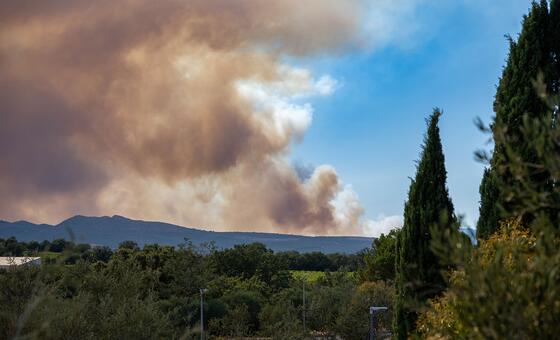
July 2026 was the second-hottest July on record, with ocean temperatures hitting an all-time high. The WMO warns that extreme heat, drought, wildfires, and floods are causing serious damage worldwide.
Last month wasn't just another hot July. It turned out to be the second-warmest July ever recorded on a global scale, and the surface temperature of the world's oceans hit an all-time high for the month. That's not a small deal. When the ocean warms up, everything else feels it too.
According to the World Meteorological Organization (WMO), the numbers are stark. Extreme heat, drought, wildfires, and floods are no longer rare events we watch from afar. They're hammering communities, economies, and ecosystems everywhere. And the trend isn't slowing down.
### What the Data Actually Shows
The WMO's latest report paints a clear picture. July 2026 came in just behind the record-setting July of 2024, but what stands out is the ocean heat. Sea surface temperatures were the highest ever observed for this time of year. That matters because warmer oceans fuel stronger storms, disrupt marine life, and push weather patterns off their usual tracks.
Here are the key takeaways from the report:
- Global air temperatures were nearly 1.5°F above the 20th-century average for July.
- Ocean surface temperatures exceeded previous records by a noticeable margin.
- Multiple regions experienced heatwaves lasting two weeks or longer.
- Wildfire activity in North America and parts of Europe was above normal.
- Flash floods hit areas that typically see dry summers.
These aren't isolated incidents. They're connected. Warmer air holds more moisture, which means when it rains, it pours. And when it doesn't rain, the ground dries out faster. That's why we're seeing both droughts and floods in the same season, sometimes in the same country.
### Why This Hits Home in the United States
If you're in the U.S., you've probably felt it. From the Pacific Northwest to the Gulf Coast, temperatures have been running hotter than usual. Some cities recorded their warmest July nights ever, which is a big deal because nighttime heat gives our bodies no chance to recover. It also drives up energy bills as air conditioners run nonstop.
Farmers are feeling the squeeze too. Corn and soybean yields in the Midwest have taken a hit in some areas, and cattle in the South are under stress from the heat. That translates to higher prices at the grocery store. You might have noticed it already.
On the flip side, heavy rain events have caused flash flooding in places like Kentucky and Missouri. Roads washed out, basements flooded, and some communities were cut off for days. It's a reminder that climate change isn't just about hotter days. It's about more extremes in every direction.
### What This Means for Your Wallet and Your Weekend
Here's the thing: this isn't just a headline you scroll past. It affects your daily life. Higher ocean temperatures mean more energy in the atmosphere, which can lead to more intense hurricanes later this season. That could mean higher insurance premiums and more storm-related disruptions.
For outdoor plans, the new normal is checking the heat index before heading out. If you're in a drought-prone area, water restrictions might become more common. And if you're in a flood zone, it's worth reviewing your insurance coverage now, not when the water's rising.
The WMO is urging governments and businesses to take these trends seriously. But on a personal level, there are practical steps you can take. Simple things like planting drought-resistant grass, installing rain barrels, or just knowing your local evacuation routes can make a difference.
### The Bigger Picture
We're not just talking about a hot month. We're talking about a pattern. The past decade has seen some of the warmest years on record, and 2026 is shaping up to follow that trend. Scientists say the heat is being driven by a combination of greenhouse gas emissions and natural variability like El Niño.
While that might sound overwhelming, there's also reason to pay attention. Understanding what's happening helps us adapt. Cities are investing in cooling centers, better drainage systems, and more reflective surfaces. Farmers are switching to heat-tolerant crops. And communities are getting smarter about early warning systems.
None of this solves the problem overnight, but it does buy us time. And time is exactly what we need to make bigger changes down the road.
### Final Thoughts
July 2026 was a wake-up call. The heat records, the ocean temperatures, the floods, the fires. They're all pointing in the same direction. Whether you're a homeowner, a business owner, or just someone trying to enjoy a summer barbecue, this affects you.
Stay informed. Stay prepared. And don't just shrug off the weather report. The numbers are real, and they're getting harder to ignore.