July 2026 Just Shattered Heat Records Across the Globe
Michael Chang ·
Listen to this article~4 min
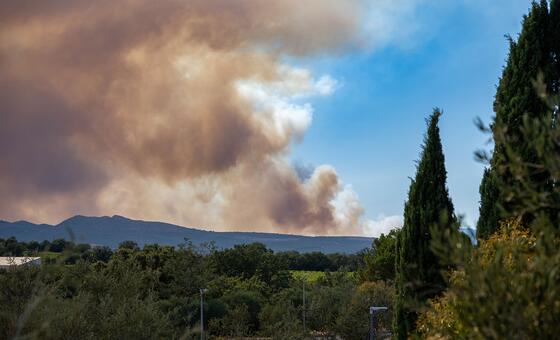
July 2026 was the second-hottest July on record, with ocean surface temperatures hitting a new high. Extreme heat, drought, wildfires, and floods are impacting communities worldwide, according to the WMO.
Last month wasn't just another hot summer month—it made history. According to the World Meteorological Organization (WMO), July 2026 ranked as the second-hottest July ever recorded on a global scale. But here's the part that should really grab your attention: the surface temperature of the world's oceans hit an all-time high for that month. That's not just a number on a chart. That's a signal that something fundamental is shifting beneath the surface—literally.
### Why Ocean Temperatures Matter More Than You Think
You might wonder why ocean heat gets so much attention when we're all feeling the burn on land. The truth is, oceans act like the planet's thermostat. They absorb about 90% of the excess heat trapped by greenhouse gases. When they run hot, everything else follows. Warmer seas fuel stronger hurricanes, disrupt marine ecosystems, and speed up ice melt at the poles. It's a domino effect that eventually lands on our doorstep.
The WMO's report didn't sugarcoat the situation. Extreme heat waves, drought, wildfires, and flooding are already wreaking havoc on communities, economies, and ecosystems worldwide. And this isn't a distant problem for someone else to solve. It's happening right now, in real time, in places where people are just trying to live their lives.
### The Human and Economic Toll
Let's put this into perspective. When temperatures spike, it's not just about feeling uncomfortable. It's about:
- Farmers losing entire crops to drought, which drives up food prices at your local grocery store
- Power grids straining under the demand for air conditioning, leading to blackouts
- Wildfires destroying homes and forcing thousands to evacuate
- Floodwaters damaging infrastructure and contaminating drinking water supplies
These aren't hypothetical scenarios. They're the new reality that millions of people across the United States and around the world are facing. The economic damage runs into the billions of dollars each year, and the human cost is immeasurable.
### What This Means for the Rest of 2026
The WMO's findings are a wake-up call. If July is already breaking records, what can we expect from August and September? Historically, the hottest months of the year are still ahead of us in many regions. Climate scientists are closely monitoring ocean temperatures because they often predict what's coming next. A warmer ocean in July typically means a more active hurricane season and prolonged heat waves in the fall.
### A Glimmer of Hope
It's not all doom and gloom, though. The fact that July 2026 was the second-hottest—not the hottest—suggests that some of the measures taken in recent years might be having a small effect. Global efforts to reduce emissions and transition to renewable energy are slowly gaining traction. But the window for meaningful action is narrowing, and the WMO's report makes it clear that we can't afford to be complacent.
For professionals working in climate-related fields, this data is more than just a news headline. It's a roadmap for where to focus your efforts. Whether you're in agriculture, insurance, urban planning, or public health, the patterns we're seeing now will shape the challenges—and opportunities—of the coming years.
### What Can You Do About It?
If you're reading this and wondering what you can do, you're not alone. Here are a few practical steps that actually make a difference:
- Stay informed about local weather patterns and emergency alerts in your area
- Support policies and candidates that prioritize climate resilience
- Reduce your own energy consumption, especially during peak hours
- Advocate for better water management and fire prevention strategies in your community
The bottom line is that July 2026 wasn't just another month. It was a preview of what's to come if we don't take action. The data is clear, the science is settled, and the time to act is now. The WMO's report isn't just a warning—it's an invitation to be part of the solution.