July 2026 Just Broke Heat Records Across the Globe
Katrin Wolf ·
Listen to this article~5 min
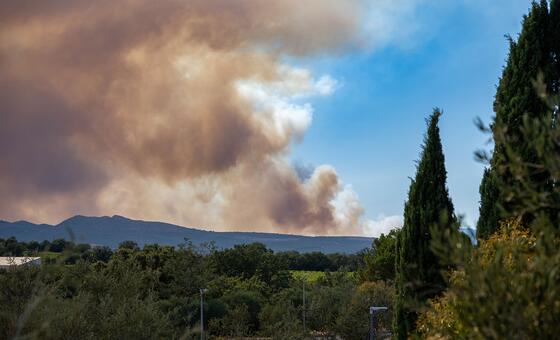
July 2026 became the second-hottest month ever recorded, while ocean surface temperatures hit a new high for the month. The WMO reports extreme heat, drought, wildfires, and floods are causing widespread damage across the globe.
Last month wasn't just hot. It was historically hot. In fact, July 2026 officially became the second-warmest July ever recorded on a global scale, according to the World Meteorological Organization (WMO). But here's the part that should really grab your attention: the surface temperature of the world's oceans hit an all-time high for this time of year.
That's not a small detail. When oceans run that warm, everything else follows. We're talking about a ripple effect that touches weather patterns, food supplies, and even the air you breathe. And if you've been paying attention to the news lately, you already know the fallout is showing up in real time.
### What the Numbers Actually Tell Us
The WMO released its latest climate update today, and the data paints a clear picture. July 2026 didn't just edge past previous records. It blew through them in several regions. While the global average landed in second place overall, specific areas saw temperatures that were off the charts entirely.
Here's what stood out from the report:
- Ocean surface temperatures reached a record high for July, which is a big deal because oceans absorb most of the planet's excess heat.
- Several regions experienced extreme heatwaves that lasted longer than typical seasonal spikes.
- Dry conditions in some parts of the world created the perfect setup for wildfires to spread quickly.
- Other areas dealt with the opposite problem, seeing intense rainfall that triggered flash flooding.
These aren't isolated incidents. They're connected, and they're happening at the same time. That's what makes this moment feel different from past summers.
### Why Ocean Heat Matters More Than You Think
You might be wondering why ocean temperatures get so much attention. Here's the simple version: warm water fuels weather. When the ocean heats up, it evaporates more moisture into the air. That extra moisture becomes energy for storms, and it also shifts rainfall patterns thousands of miles away.
Think of the ocean like a giant battery. It stores heat over long periods, and when it's charged up, it releases that energy slowly. Right now, that battery is running at capacity. And that means we're likely to see more intense weather events in the coming months, not fewer.
For anyone living in coastal areas or relying on agriculture, this is more than a statistic. It's a direct impact on daily life, from water availability to crop yields.
### The Human Toll Is Already Visible
The WMO report doesn't just talk about numbers. It talks about people. Extreme heat, drought, wildfires, and floods are continuing to cause serious damage to communities, economies, and ecosystems around the world.
Take wildfires, for example. In dry regions, a single spark can turn into a massive blaze that destroys homes and forces evacuations. Then there's the drought side, where farmers watch their fields dry up and water restrictions go into effect. And in other areas, heavy rains overwhelm drainage systems and turn streets into rivers.
All of this adds up. It's not just about one bad week or one extreme event. It's about a pattern that's becoming harder to ignore.
### What This Means Going Forward
So what should you take away from all this? First, the data is clear: the planet is running warmer, and the effects are showing up in ways that touch everyday life. Second, this isn't a problem that's going to solve itself. Communities, businesses, and individuals are all going to need to adapt.
That could mean anything from updating infrastructure to handle heavier rainfall, to changing how we manage water resources in drier regions. It might also mean rethinking building codes in wildfire-prone areas or investing in better early warning systems for heatwaves.
The WMO is calling for stronger preparation and more attention to climate risks. And honestly, that's a message worth taking seriously. Because while July 2026 is now in the rearview mirror, the conditions that made it so extreme aren't going anywhere.
If you're in a field that deals with weather, agriculture, or emergency planning, this is the moment to pay close attention. The records we're seeing now are shaping the baseline for what's to come.