July 2026 Just Shattered Heat Records Across the Globe
James Taylor ·
Listen to this article~4 min
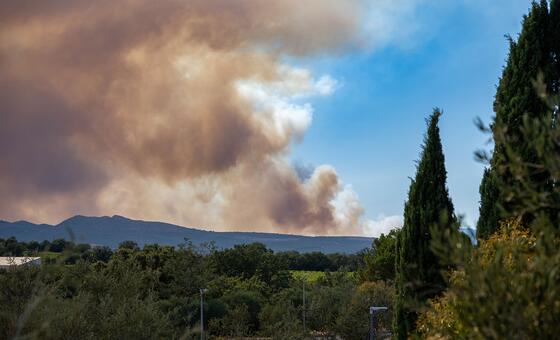
July 2026 was the second hottest on record, with ocean temperatures hitting an all-time high. Extreme heat, drought, wildfires, and floods are wreaking havoc worldwide, according to the WMO.
Last month wasn't just another hot summer stretch. It turned out to be the second hottest July ever recorded on a global scale, and that's saying something. The World Meteorological Organization (WMO) released the numbers today, and they're hard to ignore.
What's even more striking is what's happening beneath the surface. The average temperature of the world's oceans hit an all-time high for July, which is a big deal because oceans don't warm up overnight. They absorb heat slowly, and when they spike, it's a sign that things are shifting in ways we haven't seen before.
This isn't just about feeling sticky when you step outside. The ripple effects are showing up everywhere, from dried-up reservoirs to flooded streets. Extreme heat, drought, wildfires, and flooding are already taking a serious toll on people, economies, and ecosystems in every corner of the planet.
### Why This July Stood Out
Let's put this in perspective. The only July that was hotter was the one right before it, in 2025. So we're not talking about a one-off anomaly. We're seeing a trend where the hottest months on record are stacking up back-to-back like dominoes.
The WMO's data covers land and ocean temperatures combined, and the picture is pretty clear. When you look at the numbers, the gap between the hottest years and the long-term average is widening. It's not a tiny nudge upward; it's a leap.
Here's what made July 2026 particularly notable:
- Ocean surface temperatures hit a record high for the month, which fuels stronger storms and disrupts marine life.
- Several regions experienced prolonged heatwaves that lasted weeks, not just a few days.
- The combination of heat and dry conditions created perfect fuel for wildfires, especially in areas that are usually too damp to burn.
### The Human and Economic Toll
It's easy to get lost in the statistics, but the real story is about what these numbers mean for regular folks. Farmers are watching crops wither in fields that should be lush this time of year. Cities are scrambling to open cooling centers for people who don't have AC. And in some places, water restrictions are becoming the new normal.
The economic damage is piling up too. When wildfires destroy homes or floods wipe out infrastructure, the cost to rebuild runs into billions of dollars. Insurance premiums are climbing, and some companies are pulling out of high-risk areas altogether. That leaves everyday people holding the bag.
### What the Ocean's Heat Means for Us
Here's something most people don't think about: the ocean is a giant heat sponge. It's been soaking up about 90 percent of the excess heat from greenhouse gas emissions. But that sponge is getting saturated, and when it can't absorb anymore, that energy has to go somewhere.
Warmer oceans mean more evaporation, which means more moisture in the air. That's a recipe for intense rainfall and flooding when storms do form. It also weakens hurricanes? Not exactly. Actually, warmer water gives hurricanes more fuel, making them stronger and more destructive when they make landfall.
### Looking Ahead
The WMO didn't sugarcoat the outlook. They're urging governments and communities to take adaptation seriously because the impacts aren't waiting for us to catch up. Whether it's building flood defenses, planting drought-resistant crops, or updating building codes for higher heat loads, the work needs to happen now.
There's no single fix, but every bit of preparation helps. If you live in an area prone to heatwaves, having a plan for staying cool can be a lifesaver. If you're near a coast, knowing your evacuation route for storms is smart. These small steps add up.
We're in uncharted territory, and the data is telling us that loud and clear. The question isn't whether we'll see more records like this; it's how we'll respond when they keep coming.