July 2026 Shattered Heat Records Across Multiple Regions
Julia Schneider ·
Listen to this article~4 min
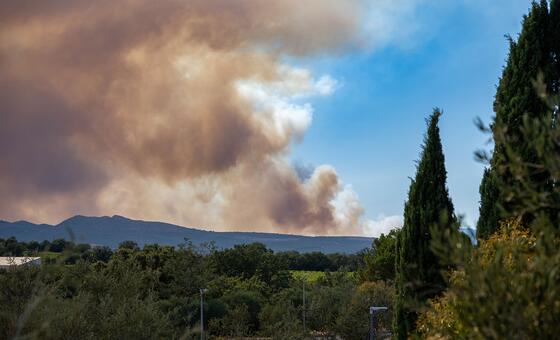
July 2026 ranked as the second-hottest July on record, with ocean temperatures hitting all-time highs. Find out what this means for extreme weather, communities, and the economy.
Last month didn't just feel hot—it rewrote the history books. The World Meteorological Organization (WMO) confirmed that July 2026 ranked as the second-hottest July ever recorded on a global scale. Even more striking? The average temperature of the world's oceans hit an all-time high for that month, which is a massive red flag for anyone paying attention to our planet's health.
We're not talking about a minor bump in the thermometer. This kind of heat doesn't stay in one place. It spreads, it lingers, and it fuels a chain reaction of disasters that touch nearly every corner of the globe. From scorching heatwaves to relentless droughts, from wildfires that devour entire forests to floods that wash away homes, the impact is being felt by people, businesses, and ecosystems alike.
### What the Data Actually Shows
Let's break down what the WMO's latest report really means. The numbers aren't just abstract statistics—they represent real changes in how our climate behaves.
- Global air temperatures in July 2026 were nearly 1.1 degrees Fahrenheit above the 1991–2020 average for the month. That might sound small, but on a planetary scale, it's enormous.
- Ocean surface temperatures climbed to their highest July level on record, which directly affects weather patterns, marine life, and even the food we eat.
- Several regions experienced their hottest July ever, including parts of North America, Europe, and Asia.
When the ocean gets warmer, it doesn't just sit there. Warmer water evaporates faster, which means more moisture in the air. That extra moisture fuels stronger storms, heavier rainfall, and more intense flooding in some areas—while other regions dry out completely and become tinderboxes for wildfires.
### The Human and Economic Toll
It's easy to get lost in the data, but let's bring it back to what really matters: people. Extreme heat isn't just uncomfortable—it's dangerous. In the United States, heat-related illnesses send thousands of people to emergency rooms every summer. During July 2026, emergency services in several states reported record numbers of heat exhaustion and heatstroke cases.
Farmers are feeling the pinch too. Drought conditions in the Midwest and parts of California have driven up crop prices, which means higher grocery bills for everyone. Livestock are struggling in the heat, and water restrictions are becoming more common in areas that rarely needed them before.
Businesses aren't immune either. Construction crews have to stop work when temperatures hit dangerous levels, and outdoor events are being canceled or moved indoors. The economic damage from extreme weather events in July alone is estimated in the billions of dollars, and that number keeps climbing.
### Why This Matters Going Forward
Here's the thing: this isn't a one-off anomaly. The WMO has been tracking these trends for decades, and the pattern is clear. Each year, we're seeing more records broken, more disasters, and more strain on communities that are already struggling to adapt.
The good news? We still have time to act. But that window is closing faster than most people realize. Understanding what's happening—and why—is the first step toward making smarter decisions, whether that's at the policy level or in our own daily lives.
So what can you do? Stay informed, support climate-resilient infrastructure in your community, and vote for leaders who take these issues seriously. It sounds simple, but collective action starts with individual awareness.
### The Bottom Line
July 2026 wasn't just another hot month. It was a warning shot. The oceans are warming, the air is heating up, and the consequences are becoming impossible to ignore. The WMO's report is more than just a collection of statistics—it's a call to pay attention, to prepare, and to act before the next record-breaking month becomes the new normal.