July 2026 Just Smashed Heat Records in These Regions
Jessica Albright ·
Listen to this article~6 min
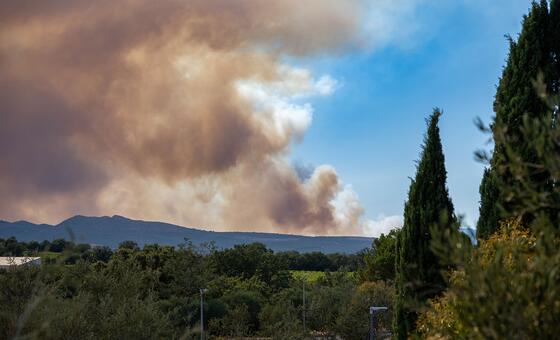
July 2026 marked the second-hottest July on record, with ocean surface temperatures hitting an all-time high. The WMO reports extreme heat, drought, wildfires, and floods are wreaking havoc worldwide.
If you thought this summer felt brutal, you weren't imagining things. July 2026 just went down as the second-hottest July ever recorded on a global scale, and the ocean didn't escape the heat either. Surface temperatures across the world's oceans hit an all-time high for this time of year, according to the World Meteorological Organization (WMO). That's not just a statistic — it's a wake-up call that touches everything from your electric bill to the price of groceries.
We're not talking about a couple of unusually warm days. We're talking about sustained, punishing heat that's reshaping how millions of people live, work, and plan for the future. The WMO released these findings today, and the numbers are sobering. But what does this actually mean for you and me? Let's break it down.
### Why Ocean Heat Matters More Than You Think
Here's the thing about warm oceans: they don't just sit there. When ocean surface temperatures climb, they supercharge the weather systems above them. That extra warmth evaporates more water into the atmosphere, which fuels stronger storms, heavier downpours, and more unpredictable weather patterns. Think of the ocean as the planet's battery — when it's fully charged with heat, it discharges that energy in dramatic ways.
Last month, the global average ocean surface temperature reached a record level for July. That's a big deal because oceans absorb about 90 percent of the excess heat from greenhouse gas emissions. When they get this warm, it's a sign that the entire climate system is under serious strain. And it's not just about marine life — though coral reefs and fish populations are definitely feeling the squeeze. It's about the fact that warmer oceans mean more energy available for hurricanes and typhoons to intensify quickly.
### The Human Toll: Heat, Drought, and Fire
While the ocean was simmering, land areas were baking. Extreme heat waves swept across multiple regions, turning streets into griddles and pushing power grids to their limits. In parts of the United States, temperatures soared well past 100 degrees Fahrenheit for weeks on end. People without reliable air conditioning faced dangerous conditions, and outdoor workers had to navigate shifts that felt like standing in front of an open oven.
Drought conditions followed the heat, drying out vegetation and turning forests into tinderboxes. Wildfires broke out in several areas, forcing evacuations and blanketing towns in thick, hazardous smoke. The economic damage is staggering — think destroyed homes, lost crops, and billions of dollars in firefighting costs. And it's not just the immediate destruction; the long-term effects on soil health and water supplies could last for years.
But here's the part that often gets overlooked: floods. You'd think a hotter planet would mean drier conditions everywhere, but that's not how it works. Warmer air holds more moisture, so when it does rain, it often comes down in torrents. Flash floods have become more frequent and more severe, catching communities off guard and overwhelming drainage systems that were never designed for this kind of downpour.
### What the WMO Is Telling Us
The World Meteorological Organization isn't in the business of sensationalism. Their reports are careful, data-driven, and conservative. So when they say July 2026 was the second-hottest July on record, you can take that to the bank. The only July that was hotter was last year, which means we're on a worrying trajectory.
Here are some key takeaways from the report:
- Global land and ocean temperatures combined were significantly above the 20th-century average.
- Ocean surface temperatures hit a record high for July, surpassing the previous mark.
- Extreme weather events — heat waves, droughts, wildfires, and floods — caused widespread damage across multiple continents.
- The WMO emphasizes that these aren't isolated incidents but part of a broader pattern linked to climate change.
### What This Means for You
You might be wondering, "Okay, so what do I do with this information?" It's a fair question. On an individual level, it means being prepared. If you live in an area prone to heat waves, check on elderly neighbors and make sure you have a plan for staying cool. If you're in a wildfire zone, keep your go-bag ready and stay tuned to local alerts. And if you're in a flood-prone region, know your evacuation routes before you need them.
On a broader level, this is a reminder that climate change isn't a distant problem — it's here, and it's affecting our daily lives in tangible ways. From higher insurance premiums to more expensive produce, the costs are already baked into our economy. The choices we make now — about energy, transportation, and land use — will determine whether future Julys look like this one or something even more extreme.
We can't control the weather, but we can control how we respond. That means supporting policies that reduce emissions, investing in resilient infrastructure, and simply being more mindful of our own footprint. It's not about doom and gloom; it's about being realistic and proactive. Because if this July taught us anything, it's that the heat isn't waiting for anyone.