July 2026 Just Shattered Heat Records in These Regions
Julia Meyer ·
Listen to this article~5 min
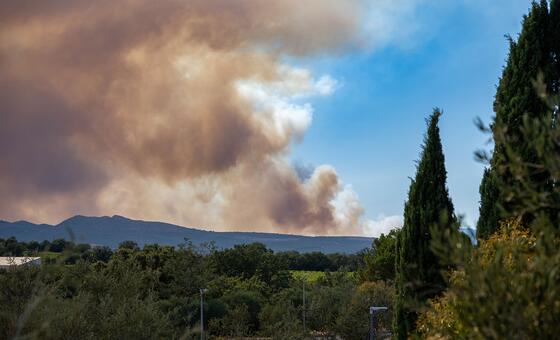
July 2026 ranked as the second-hottest on record, with ocean surface temperatures reaching unprecedented levels. Here's what that means for you.
Last month wasn't just another hot July—it was one for the history books. According to the World Meteorological Organization (WMO), July 2026 ranked as the second-hottest July ever recorded on a global scale. That's not the only eyebrow-raiser. The average temperature of the world's ocean surface hit an all-time high for this time of year, which is a pretty big deal when you stop to think about it.
We're not talking about a few warm days here and there. This kind of heat has real consequences, and they're already playing out across the planet. Extreme temperatures, prolonged droughts, raging wildfires, and devastating floods are hammering communities, economies, and ecosystems in ways that are becoming harder to ignore.
So what does this actually mean for you, whether you're tracking climate trends, planning for the future, or just trying to make sense of the weather? Let's break it down.
### The Numbers Behind the Heat
The WMO's latest report paints a stark picture. Last month came in just behind the hottest July on record, which is a narrow margin when you consider how much data goes into these measurements. The fact that we're consistently flirting with record highs isn't a coincidence—it's a pattern.
Here are a few key takeaways from the report:
- Global land temperatures in July 2026 were significantly above the 20th-century average
- Ocean surface temperatures reached their highest level ever recorded for July
- Multiple regions experienced prolonged heatwaves lasting two weeks or more
- The combination of heat and dryness created ideal conditions for wildfires in several areas
These aren't isolated incidents. They're part of a broader trend that scientists have been warning about for years, and the data keeps confirming it.
### Why Ocean Temperatures Matter More Than You Think
You might be wondering why anyone cares about ocean surface temperatures. Here's the thing: the oceans act like a giant sponge for heat. They absorb about 90% of the excess warmth generated by greenhouse gas emissions. So when ocean temps spike, it's a signal that the system is under serious stress.
Warmer oceans fuel stronger storms, disrupt marine life, and contribute to rising sea levels. They also mess with weather patterns on land, which is why we're seeing such wild swings between scorching heat and torrential downpours.
### The Human and Economic Toll
Behind the statistics are real people dealing with real problems. Farmers are watching crops wither in the fields. Families are being evacuated from their homes as wildfires creep closer. Cities are struggling to keep power grids running as demand for air conditioning surges.
The economic damage is staggering. Billions of dollars in losses from destroyed property, lost productivity, and damaged infrastructure. And it's not just about money—it's about livelihoods, health, and safety.
### What Can We Expect Next?
If the current trajectory holds, we can expect more of the same. Scientists predict that extreme weather events will become more frequent and more intense in the coming years. That doesn't mean we should throw our hands up in despair, but it does mean we need to take this seriously.
Whether you're a policymaker, a business owner, or just someone who cares about the world your kids will inherit, the message is clear: the heat isn't just a summer inconvenience anymore. It's a wake-up call.
### A Closer Look at Regional Impacts
While the global numbers are alarming, the regional differences are where the story gets really interesting. Some areas are being hit much harder than others.
- **Southern Europe** saw temperatures climb above 110 degrees Fahrenheit in several cities, breaking decades-old records
- **Parts of Asia** faced a double whammy of extreme heat followed by catastrophic flooding
- **The American Southwest** experienced its longest stretch of triple-digit days in recorded history
- **Northern latitudes** that typically stay cool are warming faster than the global average
These regional variations matter because they affect everything from agriculture to tourism to public health. A heatwave in one place might be a mild inconvenience, but in another, it can be a matter of life and death.
### The Bottom Line
July 2026 gave us a glimpse of what a warming world looks like. It's not pretty, but it's also not inevitable. The data is clear, the science is solid, and the tools to address this are within reach. The question is whether we'll use them in time.
For now, the WMO's report serves as a sobering reminder that the climate crisis isn't something happening in the distant future. It's happening right now, in our oceans, in our skies, and in our neighborhoods. The only question is how we respond.