July 2026 Just Smashed Heat Records Across Multiple Regions
Emily Davis ·
Listen to this article~5 min
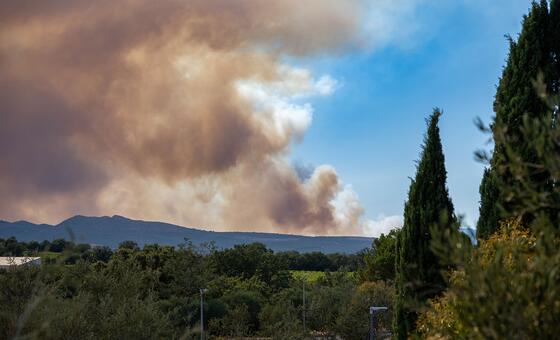
July 2026 became the second hottest July on record, with ocean surface temperatures hitting an all-time high. The WMO warns of ongoing extreme heat, drought, wildfires, and floods impacting lives and economies worldwide.
Last month wasn't just warm—it was historically brutal. According to the World Meteorological Organization (WMO), July 2026 went down as the second hottest July ever recorded on a global scale. And here's the kicker: the average temperature of the world's ocean surface hit an all-time high for that month. That's not a small deal when you think about how much of our planet is covered by water.
We're not talking about a few uncomfortable afternoons. We're talking about extreme heat waves that stretched across continents, droughts that sucked the moisture out of farmlands, wildfires that tore through forests, and floods that swallowed entire neighborhoods. The damage isn't just environmental—it's hitting people's wallets, their homes, and their health. The WMO made it clear this week that these aren't isolated incidents. They're becoming the new normal, and that's a scary thought.
### Why Ocean Temperatures Matter More Than You Think
When the ocean gets warmer, everything shifts. Warmer water means more evaporation, which means more moisture in the air. That sounds harmless until you realize it fuels stronger storms and heavier rainfall. It also messes with marine life—fish migrate to cooler waters, coral reefs bleach, and the entire food chain gets thrown off balance. For coastal communities in the United States, from the Gulf of Mexico to the Atlantic seaboard, this translates into higher risks of hurricanes and storm surges.
The WMO reported that the ocean surface temperature for July 2026 was not just above average—it broke previous records for that specific month. Scientists are watching these numbers closely because they affect weather patterns far beyond the coast. A warmer ocean can shift the jet stream, which then changes where rain falls and where it doesn't. That's why some regions are drowning while others are burning.
### The Human and Economic Toll Across the Globe
Let's put this into perspective. Extreme weather isn't just a headline—it's a bill that someone has to pay. Farmers lose crops to drought, which drives up food prices at your local grocery store. Wildfires destroy homes and businesses, forcing families to rebuild from scratch. Floods damage infrastructure, and repairing roads and bridges costs millions of dollars. In the United States alone, weather-related disasters have been costing billions annually, and this year is shaping up to be no exception.
Here's a quick look at what's happening on the ground:
- **Extreme heat** is pushing temperatures past 110°F in some areas, making it dangerous to be outside for more than a few minutes.
- **Drought conditions** are drying up reservoirs, which means water restrictions in several states.
- **Wildfire season** is starting earlier and lasting longer, with smoke drifting hundreds of miles.
- **Flash floods** are becoming more frequent, catching drivers and residents off guard.
### What This Means for the Months Ahead
The WMO isn't just reporting numbers—they're warning us about what's coming. If ocean temperatures stay elevated, we could see a more active hurricane season in the Atlantic. That's a direct concern for anyone living along the East Coast or the Gulf. And with La Niña conditions possibly developing, the weather patterns could get even more unpredictable.
It's not all doom and gloom, though. Scientists are getting better at predicting these events, which gives communities more time to prepare. Early warning systems have improved, and local governments are investing in better infrastructure to handle extreme weather. But preparation only goes so far when the heat is relentless.
### A Wake-Up Call We Can't Ignore
This July should serve as a reminder that climate change isn't a distant problem—it's happening right now, in our backyards. Whether you're a farmer in the Midwest watching your crops wither or a family in Florida boarding up for a storm, these changes affect all of us. The WMO's report is a call to action, not just for governments, but for individuals to think about how we use energy, water, and land.
We can't control the weather, but we can control how we respond. Investing in renewable energy, reducing emissions, and building smarter cities are all steps in the right direction. It won't fix everything overnight, but every little bit helps. The records being broken today won't be the last—unless we start making some serious changes.
So, what's next? Keep an eye on the forecasts, stay prepared for extreme weather, and maybe think twice about how your daily choices impact the planet. Because if July 2026 taught us anything, it's that the heat isn't taking a break—and neither should we.