July 2026 Heat Records Shattered Across Multiple Regions
Robert Taylor ·
Listen to this article~5 min
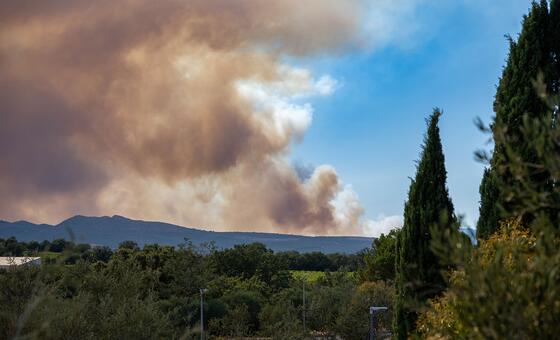
July 2026 was the second-hottest July on record, with ocean surface temperatures hitting an all-time high. The WMO reports extreme heat, drought, wildfires, and floods are causing serious damage worldwide.
Last month wasn't just hot—it was historically hot. July 2026 clocked in as the second-warmest July ever recorded on a global scale, and the ocean's surface temperature hit an all-time high for that month. That's not just a statistic; it's a signal that the planet's climate systems are shifting in ways we're only beginning to understand.
The World Meteorological Organization (WMO) released the data today, and the numbers paint a sobering picture. Extreme heat, drought, wildfires, and floods are no longer isolated events—they're becoming the new normal, hammering communities, economies, and ecosystems across the globe. And while the headlines might focus on the records, the real story is about what those records mean for you, your family, and the places you call home.
### What the Numbers Actually Tell Us
Let's break down what the WMO report really says. The global average temperature for July 2026 was just a hair below the all-time record set in July 2024, but it still blew past every other July in the books. That's a big deal because July is typically the hottest month of the year, so when it breaks records, it's a strong indicator of where we're headed.
But here's the part that should grab your attention: ocean surface temperatures. The world's oceans absorbed more heat this July than in any previous July on record. That's not just a number for scientists to geek out over—warmer oceans fuel stronger hurricanes, disrupt marine life, and push weather patterns into new, unpredictable territory.
### The Human Toll: It's Not Just About Thermometers
Behind the data are real people dealing with real consequences. In the United States, parts of the Southwest saw temperatures soar past 115 degrees Fahrenheit for days on end, straining power grids and sending vulnerable residents to cooling centers. Meanwhile, in the Pacific Northwest, wildfire season started earlier and burned hotter than usual, forcing evacuations and blanketing cities in smoke.
Globally, the picture is just as stark. Droughts in parts of Africa and Europe have dried up reservoirs and threatened crops, while monsoon floods in South Asia have displaced millions. The WMO notes that these events aren't random—they're consistent with what climate models have been predicting for years.
### Why Ocean Heat Matters More Than You Think
Here's something most people don't realize: the ocean is the planet's biggest heat sponge. It absorbs about 90% of the excess heat from greenhouse gas emissions. So when ocean temperatures spike, it's like the Earth's fever rising. That extra heat doesn't just sit there—it evaporates into the atmosphere, fueling more intense storms and shifting rainfall patterns.
For coastal communities in the U.S., this means higher sea levels and more frequent tidal flooding. For farmers in the Midwest, it means unpredictable growing seasons. And for anyone who loves seafood, warmer waters are already pushing fish populations toward cooler poles, which could disrupt supply chains and prices down the line.
### What Can You Do About It?
It's easy to feel overwhelmed by headlines like these, but there are practical steps you can take to stay informed and prepared:
- **Check local forecasts regularly** and sign up for emergency alerts from your county or city.
- **Create a basic emergency kit** with water, non-perishable food, and medications in case of power outages or evacuation orders.
- **Support local climate resilience efforts**, like tree-planting programs or community cooling centers.
- **Reduce your own energy use** by adjusting thermostats a few degrees and using fans instead of AC when possible.
None of these actions will stop climate change overnight, but they can make a real difference in how you weather the storms—literally and figuratively.
### The Bigger Picture
The WMO's report isn't just a warning; it's a call to pay attention. Every fraction of a degree of warming matters, and the records we're seeing now are the result of decades of emissions. But here's the hopeful part: the technology and policy solutions to curb this trend already exist. What's missing is the collective will to implement them.
So, next time you see a headline about a heat record, don't just scroll past it. Think about what it means for your community, your health, and your future. And maybe have a conversation with someone you know about it—because awareness is the first step toward action.
Stay cool out there, and keep an eye on the sky. The weather is changing, and we're all in this together.