July 2026 Heat Records Shattered Across the Globe
Sarah Taylor ·
Listen to this article~4 min
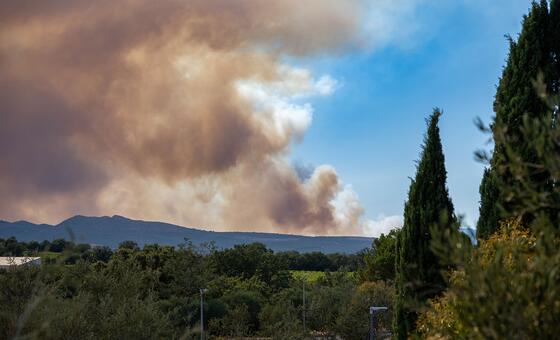
July 2026 was the second-hottest July on record, with ocean temperatures hitting new highs. Extreme heat, drought, wildfires, and floods are impacting communities worldwide, according to the WMO.
Last month wasn't just hot—it was historically hot. In fact, July 2026 went down as the second-warmest July ever recorded on a global scale. That's not a small detail. It's a signal that our climate is shifting in ways we're only beginning to fully understand.
But here's the kicker: the surface temperature of the world's oceans also hit a record high for this time of year. When the oceans warm up, everything else follows. We're talking about weather patterns, marine life, and even the air we breathe. The World Meteorological Organization (WMO) released these findings today, and they're worth paying attention to.
### What the Data Actually Shows
The numbers aren't just abstract statistics. They translate into real-world consequences that are already unfolding. According to the WMO, extreme heat, drought, wildfires, and floods are continuing to wreak havoc on communities, economies, and ecosystems across the planet. And this isn't a distant problem for someone else to solve—it's happening now, in places you might not expect.
Here's a quick breakdown of what we're seeing:
- **Record ocean temperatures** that fuel stronger storms and disrupt marine habitats
- **Prolonged heatwaves** that strain power grids and put vulnerable populations at risk
- **Drought conditions** that threaten crop yields and water supplies in multiple regions
- **Wildfires** that destroy homes and release massive amounts of carbon back into the atmosphere
### Why Ocean Heat Matters More Than You Think
You might be wondering why ocean temperatures are such a big deal. Here's the thing: oceans act like a giant sponge, absorbing about 90% of the excess heat from greenhouse gas emissions. When they get warmer, they release that energy back into the atmosphere. That's what drives more intense hurricanes, heavier rainfall, and longer dry spells.
Think of it like a pot of water on a stove. It takes a while to heat up, but once it's boiling, it doesn't cool down quickly. The same applies to our oceans. Even if we cut emissions dramatically tomorrow, the heat already stored in the ocean will continue to influence weather patterns for decades to come.
### What This Means for the United States
For folks in the U.S., this isn't just a global talking point. It's personal. Coastal communities from Florida to California are already feeling the effects of rising sea levels and warmer waters. Farmers in the Midwest are dealing with shifting growing seasons and more frequent extreme weather events. And if you live in an urban area, you've probably noticed more 100-degree days than you did a decade ago.
The economic toll is staggering. Damage from extreme weather events in the U.S. alone has been climbing year after year, with costs running into the hundreds of billions of dollars. That's money that could go toward schools, infrastructure, or healthcare—but instead, it's going toward recovery and rebuilding.
### The Road Ahead
The WMO's report isn't just a warning; it's a call to action. While the situation is serious, it's not hopeless. There are steps we can take, both individually and collectively, to mitigate the worst effects. That means supporting clean energy initiatives, reducing our carbon footprints, and pushing for policies that prioritize long-term sustainability over short-term convenience.
It also means staying informed. The more we understand about what's happening to our planet, the better equipped we are to respond. The data from July 2026 is a wake-up call, but it's also an opportunity to change course.
So, what do we do with this information? We use it. We share it. We act on it. Because the future isn't written yet—it's shaped by the choices we make today.