July 2026 Was One of the Hottest on Record — Here's What It Means
David Maxwell ·
Listen to this article~5 min
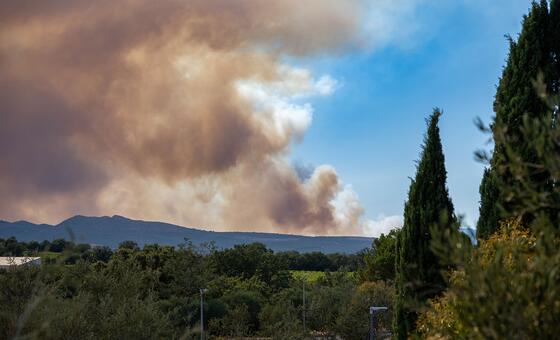
July 2026 ranked as the second-hottest July on record globally, with ocean surface temperatures hitting an all-time high for the month. The WMO reports extreme heat, drought, wildfires, and floods are causing serious damage worldwide.
Last month wasn't just another hot summer month. It went down as the second-warmest July ever recorded on a global scale, according to the World Meteorological Organization (WMO). And here's the part that should grab your attention: the surface temperature of the world's oceans hit an all-time high for July. That's not a small detail. That's a big deal.
When ocean temperatures spike, everything else tends to follow. We're talking about extreme heat waves, longer droughts, more intense wildfires, and sudden floods that seem to come out of nowhere. These aren't isolated events anymore. They're happening simultaneously across different parts of the world, and they're hitting people, economies, and ecosystems hard.
### What the Data Actually Shows
The WMO released its findings today, and the numbers are sobering. July 2026 ranked as the second-hottest July in recorded history, just barely missing the top spot. But what makes this month stand out is the ocean heat. Sea surface temperatures reached levels we've never seen before for this time of year.
That might sound like a statistic you'd gloss over, but here's why it matters: warmer oceans fuel stronger storms, disrupt marine life, and throw weather patterns off balance. When the ocean heats up, it doesn't just stay there. It changes rainfall patterns, affects agriculture, and can even influence food prices down the line.
### The Ripple Effects We're Already Seeing
It's not just about thermometers and data points. Real people are dealing with real consequences right now. Consider what's been happening across the globe:
- Severe heat waves have pushed temperatures into dangerous territory in several regions, making outdoor work nearly impossible in some areas.
- Drought conditions have dried up reservoirs and threatened crop yields, putting pressure on food supplies.
- Wildfires have burned through thousands of acres, destroying homes and forcing evacuations.
- Flash floods have overwhelmed drainage systems in cities that weren't built for this kind of rainfall.
Each of these events on its own would be concerning. But when they happen at the same time, in different parts of the world, it creates a compounding effect that stretches resources thin.
### Why Should You Care About Ocean Temperatures?
You might be thinking, "I don't live near the ocean, so why does this matter to me?" Fair question. The truth is, ocean temperatures act like a thermostat for the entire planet. When the ocean warms up, it releases more heat and moisture into the atmosphere. That extra energy has to go somewhere, and it usually shows up as extreme weather.
For anyone in the United States, this can mean more intense hurricane seasons, longer stretches of scorching heat in the summer months, and unpredictable shifts in rainfall that affect farming communities. It's not just a coastal issue. It's a nationwide concern that touches everything from your utility bills to the price of groceries.
### What Comes Next
The WMO's report isn't just a warning. It's a call to understand the patterns we're seeing and prepare for what's likely ahead. Climate scientists have been pointing to these trends for years, and the data keeps confirming their predictions. The question now is how we adapt.
Some regions are investing in better early warning systems for extreme weather. Others are updating building codes to handle higher temperatures and stronger storms. Farmers are experimenting with drought-resistant crops. It's a mix of big-picture policy changes and small, practical adjustments at the local level.
But here's the thing: adaptation only gets us so far. The underlying trend is clear, and it's moving in one direction. The more we understand what's happening with our climate, the better equipped we'll be to handle the challenges ahead. And that starts with paying attention to reports like this one, even when the news isn't easy to hear.
### The Bottom Line
July 2026 wasn't just another month. It was a reminder that our climate is shifting in ways we can measure and feel. The second-hottest July on record, combined with record ocean temperatures, paints a picture of a planet under pressure. For professionals across the United States, this isn't just a weather story. It's a story about risk, adaptation, and the choices we make in the years ahead.