July 2026 Just Set a Record That Has Climate Experts Worried
Eleanor Vance ·
Listen to this article~6 min
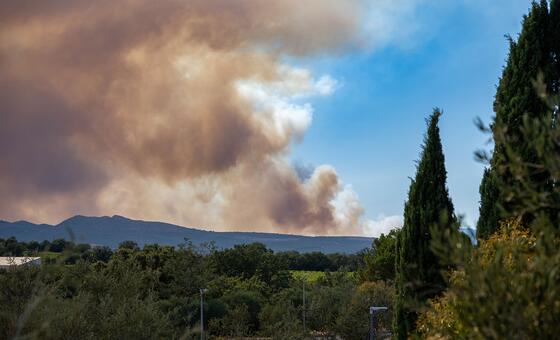
July 2026 was the second-hottest on record globally, with ocean surface temperatures reaching unprecedented levels for the month. The WMO reports extreme heat, drought, wildfires, and floods are devastating communities worldwide.
If you stepped outside last month and thought, "Wow, this is brutal," you weren't alone. July 2026 just wrapped up as the second-hottest July ever recorded on a global scale. And here's the part that's really got scientists paying attention: the surface temperature of the world's oceans hit an all-time high for this time of year. That's not just a number on a chart. That's a signal that something fundamental is shifting beneath the surface of our planet.
The World Meteorological Organization (WMO) dropped this news recently, and the implications stretch far beyond just feeling sticky on your morning commute. We're seeing extreme heat, drought, wildfires, and floods all happening at once, in different corners of the globe. And these aren't isolated incidents anymore. They're stacking on top of each other, hammering communities, economies, and entire ecosystems in ways that are becoming harder and harder to ignore.
### Why Ocean Temperatures Matter More Than You Think
Here's the thing about the ocean heating up: it's not just about warmer water for swimmers. The ocean is essentially the planet's giant heat sponge. It absorbs about 90% of the excess heat generated by greenhouse gas emissions. When that sponge gets saturated, it starts releasing that heat back into the atmosphere, which fuels more extreme weather. Warmer oceans also mean more evaporation, which puts more moisture into the air. That's a recipe for more intense rainfall and more powerful storms. So when you hear that ocean temps broke records in July, you're really hearing about the fuel for the next round of disasters.
### The Human Toll of a Hotter Planet
Let's bring this down to ground level, because the statistics can feel abstract. Across the United States, we're seeing the effects in real time. Farmers in the Midwest are staring at cracked soil and wilting crops, which could mean higher prices at the grocery store later this year. In the Southwest, cities are scrambling to manage water reserves as reservoirs drop to critically low levels. And in places like California and the Pacific Northwest, wildfire season is starting earlier and burning longer. It's not just about inconvenience. It's about livelihoods, homes, and in some tragic cases, lives lost.
Meanwhile, on the other side of the globe, we're watching record-breaking floods wash away roads and bridges in communities that have never seen water levels like that before. The pattern is clear: the extremes are becoming the new normal.
### What the Numbers Actually Show
According to the WMO's data, July 2026 came in just a hair behind the absolute hottest July on record, which was set just last year. That's a staggering statistic when you think about it. We're not talking about a gradual climb anymore. We're talking about back-to-back years where the mercury just keeps climbing. And while the global average temperature is the headline, the regional variations are even more dramatic. Some areas saw temperatures that were 5 to 10 degrees Fahrenheit above their historical averages for the month. That's not a heatwave. That's a heat siege.
### The Economic Ripple Effects
Here's where it gets personal for just about everyone. Extreme weather has a direct line to your wallet. When drought hits the breadbasket of the country, the cost of wheat, corn, and soybeans goes up. When hurricanes disrupt shipping lanes, the price of goods at your local store ticks higher. Insurance premiums in high-risk areas are already climbing, and some companies are pulling out of certain regions altogether. The economic damage from climate-related disasters in 2026 is already in the hundreds of billions of dollars, and we're only partway through the year.
But here's the thing that gives me a sliver of hope: we're not powerless in the face of this. Understanding what's happening is the first step toward adapting.
### What Can You Actually Do About It
You might be thinking, "I'm just one person. What difference can I make?" And honestly, that's a fair question. But there are practical steps that add up:
- **Reduce energy use at home**: Simple changes like switching to LED bulbs, sealing drafts, and using a programmable thermostat can cut your carbon footprint and save you money.
- **Support climate-resilient policies**: Vote for local and national leaders who prioritize infrastructure upgrades and renewable energy investments.
- **Adjust your expectations**: If you live in a fire-prone or flood-prone area, update your emergency plan and consider retrofitting your home.
- **Talk about it**: The more we normalize conversations about climate change, the more pressure there is on businesses and governments to act.
### The Road Ahead
Look, this isn't a doom-and-gloom piece. It's a reality check. The ocean is warming, the air is hotter, and the weather is more erratic. But every day, engineers are designing better flood defenses, farmers are adopting drought-resistant crops, and communities are building smarter. We've got the tools. The question is whether we have the will to use them fast enough.
For now, the data from July 2026 is a wake-up call. It's a reminder that the natural world is changing, and we need to change with it. Whether that means pushing for better climate policy or just being more prepared for the next heatwave, the time to act is now. Because next year's July could break this record too, and we'd rather be ready than caught off guard.