July 2026 Shattered Heat Records Across Multiple Regions
Robert Moore ·
Listen to this article~4 min
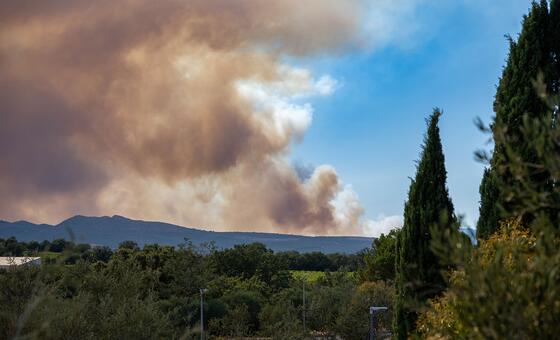
July 2026 was the second-hottest July on record, with ocean surface temperatures hitting an all-time high. The WMO reports extreme heat, drought, wildfires, and floods are causing severe damage worldwide.
Last month wasn't just hot—it was historically hot. In fact, July 2026 went down as the second-warmest July ever recorded on a global scale, according to the World Meteorological Organization (WMO). And here's the part that should grab your attention: the average temperature of the world's ocean surface hit an all-time high for that month, which is a big deal for anyone who lives near a coast or depends on marine ecosystems.
We're not talking about a minor blip on the thermometer. This kind of heat has real consequences, and they're already showing up in devastating ways. Extreme heatwaves, prolonged droughts, raging wildfires, and catastrophic floods are hammering communities, economies, and natural habitats across the globe. The WMO released these findings today, and the message is clear: our climate is changing in ways that demand our attention.
### What the Data Actually Tells Us
Let's break down what the WMO's report really means. When they say July 2026 was the second-hottest July on record, they're comparing it to every July since we started keeping reliable global temperature data—which goes back over a century. The only July that was hotter? That would be July 2024, which still holds the top spot. But here's the worrying trend: the gap between these record-breaking months is shrinking.
The ocean surface temperature is perhaps the most concerning piece of this puzzle. Oceans absorb about 90% of the excess heat from greenhouse gas emissions, so when ocean temps spike, it's a sign that the planet is storing up energy that will eventually come back to haunt us. Warmer oceans mean more intense storms, stronger hurricanes, and disrupted marine life. Fish populations shift, coral reefs bleach, and coastal communities face rising sea levels.
### The Human and Economic Toll
The impacts aren't abstract statistics—they're hitting people where they live. Consider what we're seeing right now:
- Heatwaves are pushing temperatures past 110°F in parts of the United States, making outdoor work dangerous and straining power grids as everyone cranks up their AC.
- Drought conditions are drying up reservoirs and threatening crop yields, which means higher food prices at the grocery store.
- Wildfires are burning through millions of acres, destroying homes and sending smoke thousands of miles.
- Flooding in other regions is displacing families and causing billions of dollars in property damage.
It's a grim picture, but it's also a call to action. The WMO isn't just publishing this data to scare us—they're hoping it sparks conversations about mitigation and adaptation. For businesses, this means thinking about supply chain resilience. For homeowners, it means considering flood insurance even if you've never needed it before. For policymakers, it means investing in infrastructure that can handle a hotter, more volatile climate.
### Why This Matters for Your Bottom Line
If you're running a business or managing a household budget, these climate trends aren't just environmental news—they're economic signals. Extreme weather disrupts shipping routes, damages warehouses, and forces energy prices to spike. The cost of climate-related disasters in the United States alone has been climbing steadily, with individual events now routinely causing damages in the billions of dollars.
That said, there's a silver lining. Awareness is growing, and so is investment in solutions. Renewable energy is cheaper than ever, and companies that adapt early are finding competitive advantages. Whether it's investing in solar panels, upgrading building insulation, or simply having a solid disaster plan, the smart money is on preparation.
### What Comes Next
The WMO will continue tracking these trends, and you can expect more updates as we move through the rest of 2026. But you don't have to wait for the next report to take action. Check your local forecasts, review your emergency plans, and think about how climate volatility might affect your work and home life. A little preparation today can save you a lot of headaches tomorrow.
Stay cool out there—and stay informed. The data is telling us a story, and it's one we all need to read carefully.