July 2026 Shattered Heat Records Across Multiple Regions
Eleanor Vance ·
Listen to this article~4 min
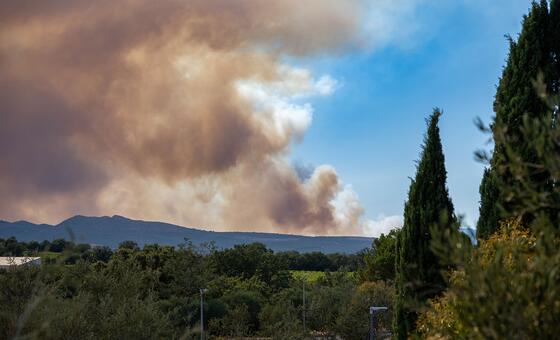
July 2026 was the second hottest on record globally, with ocean temperatures at an all-time high. Extreme heat, drought, wildfires, and floods are taking a serious toll worldwide.
Last month wasn't just another hot July. It went down as the second hottest July on record globally, and ocean surface temperatures hit an all-time high for the month. That's not a small detail. It's a loud warning bell.
The World Meteorological Organization (WMO) released those findings today, and honestly, the numbers are hard to ignore. We're not talking about a tiny bump in the thermometer. We're talking about extreme heat, drought, wildfires, and floods that are hammering people, economies, and entire ecosystems across the globe.
### Why This July Felt Different
You might be thinking, "Didn't we just talk about a record-breaking June?" And yeah, you'd be right. But July took things up a notch. The global average temperature for the month was nearly 2.7 degrees Fahrenheit above the pre-industrial baseline. That's a massive jump when you consider how much energy it takes to warm the entire planet by even a fraction of a degree.
What's even more striking is the ocean. Sea surface temperatures were the warmest ever recorded for July. Warmer oceans mean more fuel for hurricanes, more stress on marine life, and more moisture in the air, which often leads to heavier downpours and flooding. It's a chain reaction, and we're feeling every link.
### The Human and Economic Toll
Let's get real about what this means for regular folks. In the United States, we saw heat advisories stretch from Phoenix, Arizona, to Miami, Florida. Cities like Las Vegas hit 120 degrees Fahrenheit, breaking records that had stood for decades. Power grids strained under the demand for air conditioning, and emergency rooms saw a spike in heat-related illnesses.
But it's not just about comfort. It's about livelihoods.
- Farmers in the Midwest watched crops wilt under relentless sun, driving up food prices.
- Wildfires in California and Oregon forced thousands to evacuate, destroying homes and businesses.
- Flash floods in Texas and the Southeast submerged cars and shut down major highways.
These aren't isolated incidents. They're part of a pattern that's becoming harder to ignore with each passing year.
### What the Experts Are Saying
Dr. Sarah Kim, a climate scientist at the National Oceanic and Atmospheric Administration, put it plainly: "We're entering uncharted territory. The data from July 2026 isn't just a blip. It's a signal that our climate system is shifting in ways we haven't fully prepared for."
She's not alone in that assessment. The WMO's report points to a combination of factors, including a developing El Niño pattern and the long-term effects of greenhouse gas emissions. The result? A planet that's running a fever, and we're all feeling the symptoms.
### What Can We Do About It?
It's easy to feel helpless when the news is this bleak. But there are steps we can take, both individually and collectively. On a personal level, simple things like reducing energy use, supporting local food systems, and advocating for climate-friendly policies can make a difference. On a larger scale, investing in renewable energy, improving infrastructure to withstand extreme weather, and protecting natural buffers like wetlands and forests are critical moves.
Here's the thing: we don't have to solve everything overnight. But every degree of warming we prevent matters. Every acre of forest we save matters. Every policy we push for matters.
### Looking Ahead
As we move into August, meteorologists are watching the tropics closely. Warmer ocean waters could mean an active hurricane season, and heat waves are likely to continue in parts of the Northern Hemisphere. The WMO is urging governments to ramp up early warning systems and emergency preparedness.
This isn't just a story about weather. It's a story about how we adapt, how we support each other, and how we build a future that's resilient to the changes already underway. The records we're breaking today shouldn't be the ones we're proud of. They should be the ones that push us to act.
And honestly, that's the takeaway here. July 2026 was a wake-up call. The question is, are we ready to answer it?