July 2026 Just Shattered Heat Records Across the Globe
Eleanor Vance ·
Listen to this article~4 min
July 2026 became the second hottest on record globally, with ocean surface temperatures hitting all-time highs. Here's what the WMO report reveals about extreme weather, drought, and what comes next.
Last month wasn't just warm—it was historic. July 2026 officially became the second hottest July on record globally, according to data released today by the World Meteorological Organization (WMO). And here's the part that should really grab your attention: the average surface temperature of the world's oceans hit an all-time high for the month, which is a pretty big deal when you think about how much of our planet is covered by water.
We're not talking about a minor blip on the thermometer either. This kind of heat isn't just uncomfortable—it's reshaping weather patterns, threatening food supplies, and putting real strain on communities from coast to coast. If you've been feeling like summers are getting more intense, you're not imagining things. The data backs you up.
### What the Numbers Actually Show
The WMO's latest report paints a clear picture of a planet under pressure. Here's what stood out:
- Global ocean surface temperatures reached record levels for July, beating previous highs by a noticeable margin
- July 2026 ranked as the second hottest July in 174 years of record-keeping
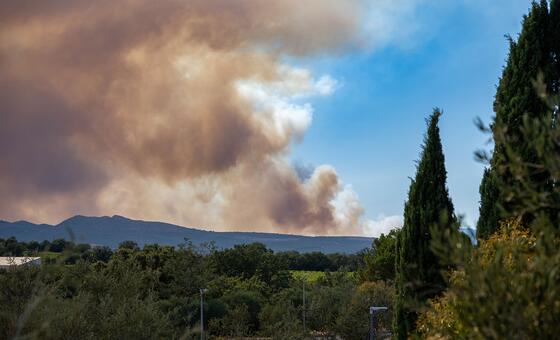
- Extreme heat waves, prolonged droughts, and devastating wildfires continue to hit multiple regions simultaneously
- Flash flooding caused by intense rainfall has damaged infrastructure and displaced thousands of people
These aren't isolated incidents. They're part of a broader pattern that scientists have been warning about for decades. The ocean, in particular, acts like a giant heat sponge—when it gets warmer, it affects everything from hurricane intensity to marine ecosystems and even the weather we experience on land.
### Why Ocean Heat Matters More Than You'd Think
Here's something most people don't realize: the ocean absorbs about 90% of the excess heat generated by greenhouse gas emissions. So when ocean temperatures break records, it's like the planet's fever spiking. Warmer oceans mean more evaporation, which leads to heavier rainstorms and more intense flooding in some areas. At the same time, they can worsen drought conditions elsewhere by shifting atmospheric circulation patterns.
The ripple effects are already visible. Coral reefs are bleaching at alarming rates, fish populations are migrating to cooler waters, and coastal communities are facing higher storm surges. For anyone living near the coast—which is roughly 40% of the US population—this isn't abstract science. It's the new reality.
### What This Means for the Year Ahead
Looking forward, the WMO notes that the current trajectory doesn't show signs of cooling down anytime soon. We're likely to see more temperature records fall in the coming months. The agency is urging governments and businesses to accelerate climate adaptation efforts, especially in sectors like agriculture, water management, and public health.
For everyday people, the takeaway is pretty straightforward: expect more extreme weather. That means preparing for hotter summers, more unpredictable storms, and longer wildfire seasons. It also means paying attention to local heat advisories and having a plan for power outages during peak demand days.
### The Bottom Line
July 2026 isn't just a statistic—it's a snapshot of where our climate is headed. The second hottest July on record, combined with record ocean temperatures, sends a clear signal that the pace of change is accelerating. Whether you're a farmer watching your crops struggle, a city planner designing for hotter summers, or just someone trying to keep your energy bills manageable, this matters.
The WMO's report is a reminder that climate change isn't a distant problem. It's happening right now, in measurable ways, and it's affecting every corner of the globe. The good news? Awareness is growing, and so is the push for solutions. But as this July shows, there's no time to waste.