July 2026 Just Shattered Heat Records Across the Globe
Eleanor Vance ·
Listen to this article~4 min
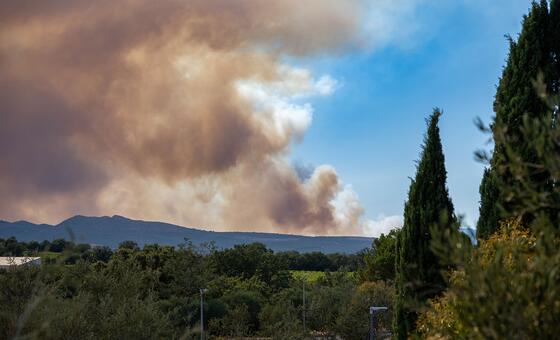
July 2026 was the second-hottest on record globally, with ocean surface temperatures hitting an all-time high. Extreme heat, drought, wildfires, and floods are wreaking havoc worldwide, according to the World Meteorological Organization.
You might have felt it in the air, but the numbers are now official. Last month wasn't just uncomfortably hot—it was historically hot. The World Meteorological Organization (WMO) just confirmed that July 2026 ranked as the second-warmest July ever recorded on a global scale. That's not a small footnote in a climate report; it's a loud signal that our planet's fever isn't breaking.
What makes this even more alarming is what's happening beneath the surface. The temperature of the world's oceans hit an all-time high for the month of July. When the water heats up like that, it doesn't just make beach days sticky. It fuels stronger storms, disrupts marine life, and shifts weather patterns thousands of miles away. We're not just talking about a warm summer; we're talking about a system that's out of balance.
### The Numbers Behind the Heat
Let's put this in perspective. The WMO tracks global temperatures using a network of land-based stations, ships, and satellites. According to their latest data, July 2026 came in just a hair behind the record set in July 2023. But here's the twist: ocean surface temperatures didn't just come close to a record—they blew past it. That means the heat stored in our oceans is at a level we've never seen before for this time of year.
- Global air temperature: second highest on record for July
- Ocean surface temperature: highest ever recorded for July
- Regional extremes: multiple areas saw their hottest days ever logged
This isn't just a statistic for scientists to argue about. It's a lived reality for millions of people. If you're in the United States, you might have noticed longer stretches of 100°F days or nights that never cooled down below 80°F. That's not your imagination. That's the new normal we're being forced to adapt to.
### Extreme Weather Isn't Waiting Around
The heat itself is bad enough, but it's the knock-on effects that really hurt. We're seeing a brutal cocktail of disasters unfold simultaneously across different regions. Wildfires are tearing through dry landscapes, fueled by weeks of drought that have turned forests into kindling. Meanwhile, other areas are drowning under flash floods because warmer air holds more moisture and then dumps it all at once.
It's a stark reminder that climate change doesn't play favorites. It doesn't care if you're in a wealthy suburb or a low-lying coastal town. The economic toll is staggering, with billions of dollars in damages already racked up this summer. But the human cost is even harder to measure—lost homes, disrupted livelihoods, and in too many cases, lost lives.
### What This Means for You
You might be wondering, "Okay, so what do I do with this information?" It's a fair question. On an individual level, it's about being prepared. If you live in an area prone to wildfires, that means having an evacuation plan that goes beyond just grabbing your wallet. If you're in a flood zone, it means checking your insurance policy to make sure you're actually covered for water damage—because a lot of standard policies aren't.
On a broader level, this is a wake-up call for policymakers. The WMO's report isn't just a weather update; it's a plea for action. Every fraction of a degree of warming we can prevent matters. It's the difference between a summer that's merely uncomfortable and one that's genuinely dangerous for vulnerable populations like the elderly and young children.
### Looking Ahead
We're now halfway through the year, and the trends aren't encouraging. Scientists are already warning that the second half of 2026 could bring more of the same, especially if El Niño conditions strengthen in the Pacific. That could mean an even hotter 2027. The takeaway here isn't to panic, but to stay informed and stay proactive. The more we understand what's happening, the better equipped we are to protect ourselves and the people we care about.