July 2026 Just Shattered Heat Records Across the Globe
Jan de Vries ·
Listen to this article~4 min
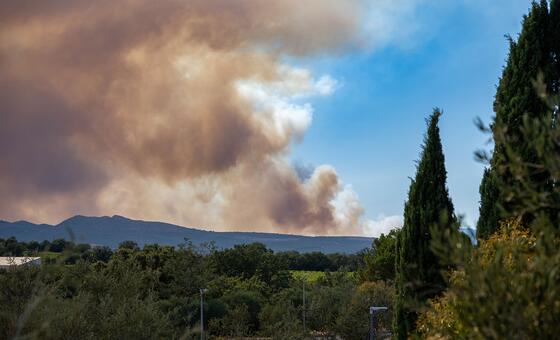
July 2026 was the second hottest on record, with ocean temperatures breaking all-time highs. The WMO warns extreme heat, drought, and floods are impacting lives worldwide.
Last month wasn't just another summer month. It turned out to be the second hottest July ever recorded on a global scale, and ocean surface temperatures hit an all-time high for that time of year. That's not a small deal. When the oceans warm up, everything else follows suit.
The World Meteorological Organization (WMO) dropped this news today, and honestly, it's the kind of report that makes you pause. We're not talking about a minor blip in the weather. We're talking about extreme heat, drought, wildfires, and floods that are hammering communities, economies, and ecosystems in ways we're only beginning to fully grasp.
### What the Numbers Actually Tell Us
Let's break down what the WMO's findings really mean for you and me. The global average temperature for July 2026 was just a hair below the record set in previous years, but the ocean heat is what's grabbing attention. Warmer oceans fuel stronger storms, disrupt marine life, and mess with weather patterns thousands of miles away.
Here are a few key takeaways from the report:
- July 2026 ranked as the second warmest July in recorded history.
- Sea surface temperatures broke the previous July record by a noticeable margin.
- Extreme weather events linked to this heat are becoming more frequent and more intense.
These aren't abstract stats. They translate into real-world consequences like crop failures, higher energy bills, and dangerous conditions for outdoor workers.
### Why Ocean Heat Matters More Than You Think
You might be wondering why we should care about ocean temperatures when we're worried about the heat on land. Here's the thing: the ocean acts like a giant battery for the planet's climate. It absorbs about 90% of the excess heat from greenhouse gas emissions. When that battery gets too full, it releases energy back into the atmosphere, which can supercharge hurricanes and cause prolonged heatwaves.
For folks living along the coast, this means higher risks of storm surges and flooding. For inland communities, it can mean longer, hotter summers and drier conditions that fuel wildfires. The ripple effects are everywhere, from the price of groceries to your home insurance premium.
### What This Means for the Months Ahead
Looking forward, the WMO warns that we shouldn't expect a quick cooldown. The heat stored in the ocean doesn't just disappear overnight. It lingers, which means the next few months could bring more of the same: scorching days, unpredictable storms, and pressure on water supplies.
That said, there's still room for action. Cities are investing in cooling centers and better heat warning systems. Farmers are shifting to more drought-resistant crops. And individuals are finding ways to reduce their carbon footprint, whether that's driving less or upgrading to energy-efficient appliances.
### The Bottom Line
July 2026 was a wake-up call wrapped in a heatwave. The records aren't just numbers on a chart; they're signals that our climate is changing faster than many of us expected. Staying informed and adapting to these shifts isn't just smart, it's necessary.
If you're looking to protect your home, your family, or your business from what's coming, now's the time to think about preparedness. That might mean checking your insurance coverage, reinforcing your roof, or simply having a plan for extreme heat days. Small steps can make a big difference when the mercury starts climbing.
The WMO's report is a reminder that we're all in this together, whether we're in the middle of a drought or bracing for the next big storm. The question isn't whether the climate is changing, it's how we respond to it.