July 2026 Shattered Heat Records Across the Globe—Here's What It Means
William Brown ·
Listen to this article~5 min
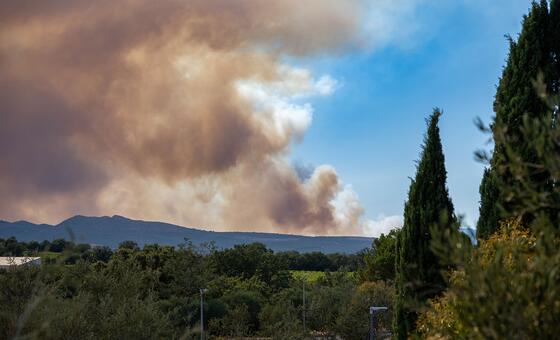
July 2026 was the second-hottest July on record, with ocean surface temperatures hitting an all-time high. Extreme heat, drought, wildfires, and floods are wreaking havoc worldwide, according to the WMO.
Last month wasn't just hot—it was historically hot. In fact, July 2026 officially became the second-warmest July ever recorded on a global scale, according to the World Meteorological Organization (WMO). That's not a small footnote in the climate history books. It's a loud signal that our planet's fever isn't breaking anytime soon.
But here's the part that really grabs your attention: the surface temperature of the world's oceans hit an all-time high for the month of July. We're not talking about a slight bump above normal. We're talking about water temperatures that shattered previous records, and that's a big deal for everything from hurricane season to marine life.
### Why Ocean Heat Matters More Than You Think
When ocean temperatures climb, it's not just beachgoers who feel it. Warmer seas act like fuel for extreme weather. They can supercharge hurricanes, extend drought cycles, and mess with fish populations that millions of people depend on for food. The WMO's latest report makes it clear that this isn't a localized problem—it's a global one.
Think of the ocean as the planet's thermostat. When it runs hot, every system on Earth feels the strain. From the coral reefs off Florida to the fishing grounds in the Pacific, the ripple effects are real and measurable.
### Extreme Weather Is Already Here
It's not just about the numbers on a thermometer. The WMO report highlights that extreme heat, drought, wildfires, and flooding are already causing serious damage to people, economies, and ecosystems around the world. And here's the thing—this isn't a future scenario. It's happening right now.
- **Heatwaves** are lasting longer and hitting harder, especially in urban areas where concrete traps warmth.
- **Droughts** are drying up reservoirs and threatening crops in key farming regions.
- **Wildfires** are burning through millions of acres, forcing evacuations and destroying homes.
- **Floods** are overwhelming infrastructure in places that never used to see this kind of rainfall.
These aren't isolated events. They're interconnected symptoms of a warming planet, and they're putting real pressure on communities from coast to coast.
### What the WMO Is Telling Us
The World Meteorological Organization didn't sugarcoat the message. Their data shows that July 2026 wasn't just another warm month—it was a wake-up call. The fact that it ranked second only to a previous record-breaking July tells us that we're not cooling down. If anything, the trend is pointing in the opposite direction.
What's more, the ocean heat record is particularly troubling because oceans absorb most of the excess heat from greenhouse gas emissions. When they hit new highs, it's a sign that the planet is storing more energy than ever before. That energy has to go somewhere, and often it comes out as extreme weather.
### The Human and Economic Toll
It's easy to get lost in the statistics, but behind every data point is a real story. Farmers watching their crops wither. Families fleeing wildfires. Coastal towns dealing with flooding that used to be a once-in-a-century event. The economic damage is staggering, running into billions of dollars in recovery costs and lost productivity.
But it's not just about money. It's about quality of life. Air quality suffers during heatwaves. Water supplies become unreliable. Power grids get stretched to their limits. The most vulnerable populations—the elderly, the sick, and the economically disadvantaged—are often the ones hit hardest.
### What Can We Expect Next?
If this July is any indicator, we need to prepare for more of the same. The WMO's findings suggest that record-breaking temperatures are becoming the new normal, not the exception. That means communities, businesses, and governments need to adapt. Better early warning systems, smarter urban planning, and more resilient infrastructure are no longer optional—they're essential.
For individuals, it means staying informed and taking heat warnings seriously. A little preparation can go a long way, whether it's having a cooling plan for your home or knowing the signs of heat exhaustion.
### The Bottom Line
July 2026 wasn't just a hot month. It was a historical marker that shows how quickly our climate is changing. The ocean heat record alone should give us all pause. This isn't about politics or opinion—it's about data and the very real consequences that come with it.
We're living through a period of intense climatic shifts, and the WMO's report is a clear reminder that the time to act is now. Whether that means supporting policy changes, reducing your own carbon footprint, or simply staying prepared for extreme weather, every bit counts. Because if the records keep falling like this, the future is going to look very different from the past.