July 2026 Just Shattered Heat Records Across the Globe
Eleanor Vance ·
Listen to this article~4 min
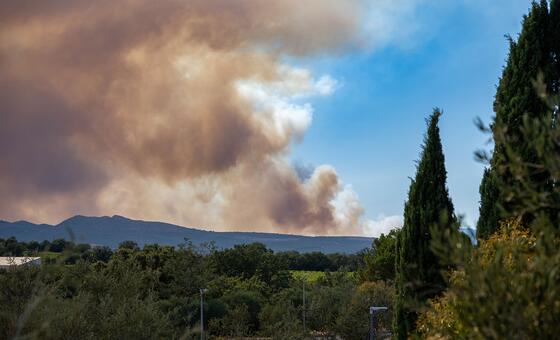
July 2026 became the second hottest on record globally, with ocean temperatures hitting an all-time high. Extreme heat, drought, wildfires, and floods are taking a serious toll worldwide, according to the WMO.
The numbers are in, and they're hard to ignore. Last month went down as the second hottest July ever recorded on a global scale, according to fresh data from the World Meteorological Organization (WMO). But here's the part that should really grab your attention: the temperature of the world's oceans hit an all-time high for July, and that's a big deal for all of us.
When ocean temperatures climb, it's not just about warmer water for swimmers. It changes weather patterns everywhere, from the coast of Florida to the plains of the Midwest. We're already seeing the fallout in real time, with extreme heat, drought, wildfires, and floods wreaking havoc on communities, economies, and ecosystems around the planet. This isn't a distant problem anymore—it's knocking on our doorstep.
### What the Data Actually Shows
The WMO's latest report paints a clear picture of where we stand. July 2026 wasn't just warm—it was historically warm. While it didn't quite surpass the absolute hottest July on record, it came awfully close, and that's saying something. The fact that we're now measuring "second place" against such recent extremes tells you how much the baseline has shifted.
But the ocean numbers are what really stand out. Sea surface temperatures reached a level never before seen for this time of year. That might sound like a niche statistic, but it has massive implications. Warmer oceans fuel stronger storms, disrupt marine life, and accelerate ice melt in polar regions. It's a chain reaction that eventually circles back to affect our daily lives, whether we realize it or not.
### Why This Matters for Americans
You might be thinking, "Okay, but what does this mean for me?" Fair question. The effects aren't confined to some far-off coastline. Here's what we're already seeing across the United States:
- **Heat waves** hitting cities like Phoenix and Austin harder and lasting longer than ever before
- **Drought conditions** drying up farmland in California and the Great Plains, driving up food prices at your local grocery store
- **Wildfire season** starting earlier and burning more acres out West, with smoke drifting hundreds of miles
- **Flash flooding** in unexpected places, like the storms that dumped over a foot of rain on parts of the Southeast this summer
None of this is hypothetical. It's happening right now, and it's costing billions of dollars in damages and lost productivity. The economic toll is staggering, and it's only going to grow if these trends continue.
### The Ripple Effect on Your Wallet
Here's where things get personal. When extreme weather disrupts supply chains, you feel it in your wallet. Crop failures mean higher prices for produce and meat. Damaged infrastructure means higher insurance premiums. Energy demand spikes during heat waves, which can mean higher utility bills in the dead of summer.
It's easy to see these climate reports as abstract numbers on a page, but the truth is they translate directly into the cost of living. The more we understand the connection, the better equipped we are to adapt and prepare for what's coming.
### What Comes Next
The WMO is clear that this isn't a one-off anomaly. The trend line is pointing in one direction, and it's pointing up. That doesn't mean we're helpless, though. Communities across the country are already investing in better infrastructure, smarter water management, and more resilient energy grids. There's a lot we can do, but it starts with paying attention to what the data is telling us.
For now, the takeaway is simple: July 2026 was a wake-up call. The oceans are warming, the air is heating up, and the consequences are showing up in our neighborhoods, our farms, and our bank accounts. The question isn't whether we'll see more records fall—it's how prepared we'll be when they do.