July 2026 Just Smashed Temperature Records in Multiple Regions
Robert Smith ·
Listen to this article~4 min
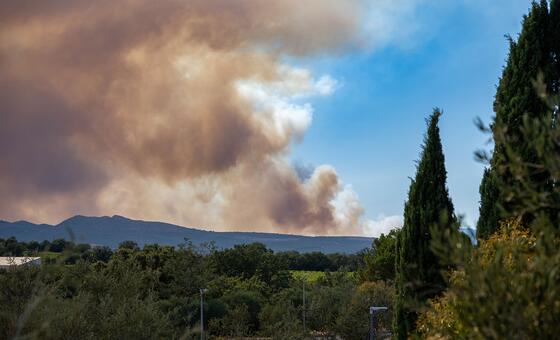
July 2026 became the second hottest on record globally, with ocean surface temperatures reaching all-time highs. The WMO warns that extreme heat, drought, wildfires, and floods continue to wreak havoc worldwide.
Last month wasn't just another hot July. It went down as the second hottest July ever recorded on a global scale, and the surface temperature of the world's oceans hit an all-time high for that month. That's not a small deal—that's a massive signal that something's shifting beneath our feet, or rather, above our heads.
The World Meteorological Organization (WMO) released these findings today, and they didn't sugarcoat it. Extreme heat, drought, wildfires, and floods are still hammering communities, economies, and entire ecosystems across the planet. And the numbers just keep climbing.
### What the Data Actually Shows
When scientists say "second hottest July on record," they're not just picking a random stat out of a hat. They're comparing decades of temperature data from thousands of weather stations, ocean buoys, and satellites. The margin might seem small—fractions of a degree—but in climate terms, that's enormous.
Here's what stood out from the WMO report:
- Global air temperatures for July 2026 ranked second only to a previous record-breaking year.
- Ocean surface temperatures set a new July record, which is especially concerning because oceans absorb most of the planet's extra heat.
- Multiple regions experienced prolonged heatwaves that pushed local thermometers into uncharted territory.
- Dry conditions in some areas fueled wildfires, while other zones saw sudden downpours leading to flash floods.
The ocean part is worth pausing on. Warmer oceans don't just affect marine life—they supercharge storms, melt ice sheets faster, and disrupt weather patterns thousands of miles away. So when ocean temps break records, we all feel it eventually.
### Why This Matters for You
You might be thinking, "Okay, but what does this have to do with my daily life?" Fair question. The answer is: more than you'd think. If you're in the United States, you've probably noticed hotter summers, longer dry spells, or sudden intense storms in your area. That's not coincidence—it's a pattern that's becoming harder to ignore.
For professionals in fields like agriculture, insurance, real estate, or logistics, these shifts carry real financial weight. Crop yields suffer during extreme heat, property damage claims spike after floods, and supply chains get disrupted when infrastructure buckles. Even if you're not in those industries, higher food prices and increased insurance premiums eventually touch everyone's wallet.
The WMO's report isn't just academic. It's a warning that the conditions we used to call "unusual" are becoming the new normal. And the faster we adapt—whether that's through better building standards, smarter water management, or more resilient supply chains—the less painful the transition will be.
### What's Next?
Nobody has a crystal ball, but climate scientists are pretty clear about the trajectory. If emissions continue at current levels, we can expect more record-breaking months ahead. The question isn't whether we'll see another hot July—it's how hot, and how often.
For now, the WMO urges governments and businesses to treat these findings as a call to action, not just a headline. That means investing in early warning systems, updating infrastructure, and planning for more extreme weather events. On a personal level, it means staying informed and making choices that reduce your own vulnerability—like knowing your local flood zones or heat risks.
This July was a wake-up call. Whether we answer it or sleep through it is entirely up to us.