July 2026 Just Smashed Heat Records Across the Globe
Robert Moore ·
Listen to this article~5 min
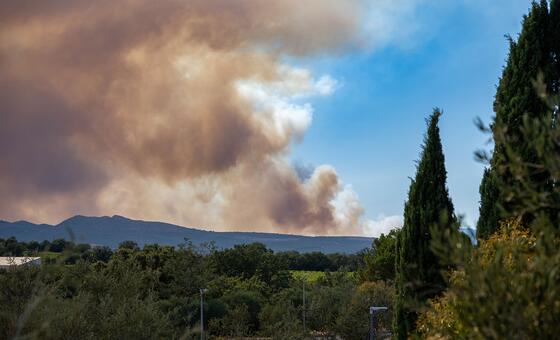
July 2026 became the second-hottest July on record, with ocean surface temperatures hitting an all-time high. The WMO warns of continued extreme heat, drought, wildfires, and floods affecting communities worldwide.
July 2026 wasn't just another hot month. According to the World Meteorological Organization (WMO), it went down as the second-hottest July ever recorded on a global scale. And that's not even the whole story. The average temperature of the world's ocean surface hit an all-time high for this time of year, which is a pretty big deal when you think about what that means for weather patterns everywhere.
If you've been feeling like summers are getting more intense, you're not imagining things. The data backs it up. But here's the thing: this isn't just about uncomfortable heat waves or needing to crank up the AC a little more. The ripple effects are showing up in ways that are hard to ignore.
### Why Ocean Temperatures Matter More Than You Think
We tend to focus on air temperatures because that's what we feel on our skin. But the ocean is the real engine behind our climate. When ocean surface temperatures spike, it's like the atmosphere gets a shot of adrenaline. Warmer water means more evaporation, which fuels stronger storms. It also messes with marine ecosystems, fish populations, and even the weather patterns that farmers rely on for their crops.
This July, the ocean wasn't just warm in a few spots. It was record-breaking across the board. That's a signal that we're not just dealing with a bad year here or there. We're looking at a trend that's been building for a while, and it's not slowing down.
### The Human and Economic Toll Is Mounting
The WMO report wasn't just about numbers on a chart. It highlighted how extreme heat, drought, wildfires, and floods are continuing to wreak havoc on communities, economies, and natural systems around the world. Here's what that looks like in practical terms:
- **Wildfires** are burning longer and spreading faster in regions that used to be less prone to them.
- **Droughts** are shrinking water supplies for both cities and farmland, driving up costs for food and utilities.
- **Floods** are damaging infrastructure, homes, and businesses in areas that never used to see this kind of water damage.
- **Heat-related health issues** are sending more people to hospitals, especially the elderly and those with pre-existing conditions.
The economic strain is real. When crops fail or infrastructure gets damaged, the costs don't just stay with the people directly affected. They ripple through supply chains and show up in higher prices at the grocery store or the gas pump.
### What This Means for the Rest of the Year
Here's the part that should get your attention: July isn't an isolated event. When you start the second half of the year with record ocean heat, the odds of more extreme weather in the coming months go up. We're likely to see more intense storms in some regions and prolonged dry spells in others. It's a mixed bag, but none of it is particularly good news for anyone who relies on predictable weather.
Experts are watching the data closely, and the signals are pointing toward more of the same. The patterns we're seeing now are consistent with what climate models have been predicting for years. The difference is that it's no longer something to worry about in the future. It's happening right now.
### The Takeaway
This isn't meant to be doom and gloom for the sake of it. The point is that we need to pay attention. Whether you're a business owner thinking about supply chain risks, a homeowner worried about insurance costs, or just someone who cares about the world your kids will inherit, these numbers matter.
The WMO's report is a wake-up call, but it's also an opportunity. Understanding what's happening is the first step toward adapting. And adaptation is something we can all do, whether that's supporting better infrastructure, making smarter energy choices, or just staying informed about what's coming next.
July 2026 was a record-breaker, but it doesn't have to be a preview of every July to come. The data is clear, and now it's up to us to decide what we do with it.