July 2026 Just Shattered Temperature Records Across the Globe
Emily Davis ·
Listen to this article~4 min
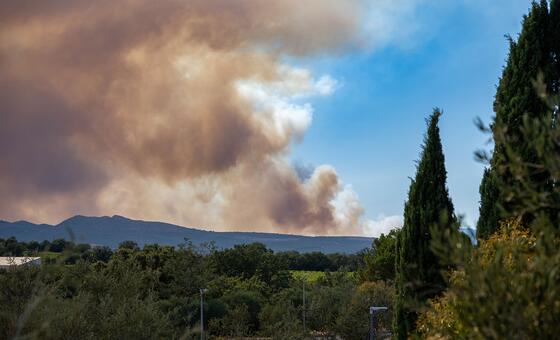
July 2026 became the second-hottest July on record, with ocean surface temperatures hitting all-time highs. The WMO reports extreme heat, drought, wildfires, and floods are wreaking havoc worldwide.
Last month wasn't just hot—it was historic. According to the World Meteorological Organization (WMO), July 2026 officially became the second-hottest July ever recorded on a global scale. That's a big deal, and it's worth unpacking what that actually means for us, our communities, and the planet we call home.
But here's the part that really grabs your attention: the average temperature of the world's ocean surface hit an all-time high for this time of year. We're not talking about a tiny blip on a thermometer. We're talking about a massive shift that affects everything from the fish we eat to the weather patterns we rely on.
### What the Numbers Tell Us
The WMO's latest report paints a clear picture: extreme heat, drought, wildfires, and devastating floods are no longer rare events. They're becoming the new normal, and they're hitting people, economies, and ecosystems hard across every corner of the globe.
Let's break down what we're seeing:
- **Global air temperatures** soared to levels that would have seemed unthinkable just a decade ago
- **Ocean surface temperatures** broke records, which fuels stronger hurricanes and disrupts marine life
- **Wildfire seasons** are starting earlier and lasting longer, especially in the western United States
- **Drought conditions** are drying up reservoirs and threatening crop yields from California to the Midwest
- **Flash floods** are becoming more frequent, even in areas that historically never saw them
### Why Ocean Heat Matters More Than You Think
Here's something most people don't realize: the ocean absorbs about 90% of the excess heat from global warming. When ocean temperatures spike, it's like the planet's thermostat going haywire. Warmer oceans mean more evaporation, which means more moisture in the air. That translates directly into more intense storms, heavier rainfall, and stronger hurricanes.
For folks living along the Gulf Coast or the Eastern Seaboard, this isn't abstract science. It's the difference between a mild hurricane season and one that keeps emergency managers up at night. And for coastal communities, rising water temperatures also mean shifting fish populations, which impacts commercial fishing and local economies.
### The Human Toll We Can't Ignore
It's easy to get lost in the statistics, but behind every number is a real story. Farmers watching their crops wither under relentless sun. Families evacuating as floodwaters rise. Firefighters battling blazes that refuse to be contained. The economic damage runs into the billions of dollars, and the emotional toll is immeasurable.
### What Can We Actually Do?
Now, I'm not here to doom-and-gloom you. Yes, the situation is serious, but it's not hopeless. Scientists and policymakers are working on solutions, and there are practical steps we can all take. From supporting clean energy initiatives to reducing our own carbon footprints, every action adds up.
More importantly, staying informed is the first step toward making better decisions. When you understand what's happening with our climate, you can advocate for policies that matter, prepare your home for extreme weather, and support organizations working on the front lines.
### Looking Ahead
The WMO's report isn't just a warning—it's a call to action. July 2026 set records, but it doesn't have to be a preview of every July to come. By paying attention, adapting, and pushing for change, we can still shape a future where these records become history instead of headlines.
So, what do you think? Are you seeing the effects of extreme weather where you live? I'd love to hear your perspective in the comments below.