July 2026 Just Broke Temperature Records Across the Globe
Robert Moore ·
Listen to this article~4 min
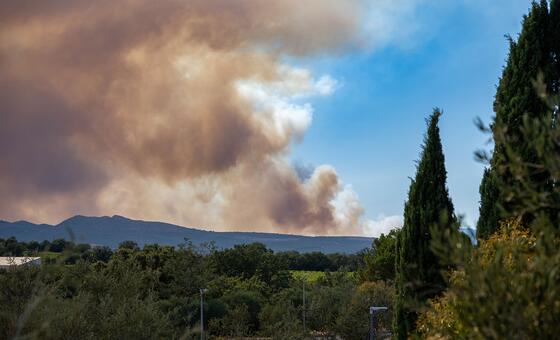
July 2026 was the second-hottest on record globally, with ocean surface temperatures hitting all-time highs. The WMO confirms extreme heat, drought, and floods are causing serious damage worldwide.
Last month wasn't just another hot July. It was the second-hottest July ever recorded globally, and ocean surface temperatures hit an all-time high for the month. The World Meteorological Organization (WMO) confirmed it today, and the numbers paint a stark picture of what we're facing.
Extreme heat, drought, wildfires, and floods are no longer rare events. They're becoming the new normal, wreaking havoc on communities, economies, and ecosystems from coast to coast and around the world. If you've felt like summers are getting more intense, you're not imagining things—the data backs it up.
### What the Numbers Actually Show
When scientists say "second-hottest July," it's not just a talking point. Global average temperatures for the month were nearly 1.5 degrees Fahrenheit above the 20th-century baseline. That might not sound like much, but on a planetary scale, it's enormous. It's the kind of shift that turns a mild heatwave into a deadly one and turns a dry spell into a full-blown drought.
The ocean is where the story gets even more concerning. Sea surface temperatures reached record levels for July, which matters because warmer oceans fuel stronger storms and disrupt marine life. Coral reefs, fisheries, and coastal communities all feel the ripple effects. It's not just about beach weather—it's about the entire food chain.
### Why This Hits Close to Home
For those of us in the United States, the impacts are tangible. The West has seen wildfires spread faster and burn longer. The Midwest has dealt with crop failures from heat and drought. Coastal states are bracing for more intense hurricanes, driven by those warmer ocean waters. And in many cities, heat advisories are becoming a weekly occurrence, not a rare warning.
- Wildfire season now stretches months longer than it did a few decades ago
- Drought conditions affect millions of acres of farmland, driving up food prices
- Flooding from intense rainfall events is overwhelming infrastructure built for a cooler era
These aren't distant problems. They're hitting household budgets, insurance premiums, and local tax bases. When a town gets flooded or a harvest fails, the costs trickle down to everyone.
### What the WMO Is Saying
According to the WMO, this July's data is a clear signal that the climate system is under stress. They're urging governments to accelerate climate action, but they're also emphasizing adaptation. We can't just focus on cutting emissions; we have to build resilience. That means better early warning systems, more resilient infrastructure, and smarter water management.
> "The alarming trend we're seeing is not a fluke," the WMO noted in their briefing. "It's a pattern that demands immediate attention."
### What This Means for You
You might be wondering what you can do about something this big. The honest answer is that individual actions matter, but systemic change matters more. Still, there are practical steps. If you live in a fire-prone area, make sure your home has defensible space. If you're in a flood zone, review your insurance coverage. And stay informed about local heat warnings—they're there for a reason.
On a broader level, supporting policies that invest in renewable energy and climate resilience can make a real difference. Voting, contacting your representatives, and supporting local initiatives all count. It's easy to feel powerless in the face of global trends, but the decisions we make collectively shape the future.
### The Bottom Line
July 2026 is a wake-up call. The records aren't just numbers on a chart; they're a reflection of how we live and what we prioritize. The good news is that it's not too late to act. But the window is narrowing, and every hot month, every record broken, brings us closer to a tipping point we'd rather avoid.
Stay safe out there, and stay informed. The climate is changing, but how we respond to it is still up to us.