July 2026 Just Smashed Temperature Records Across the Globe
Dr. Eleanor Vance ·
Listen to this article~4 min
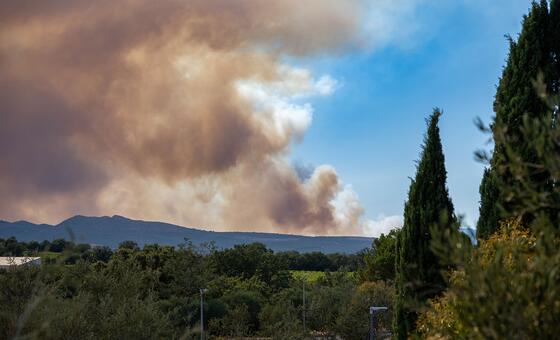
July 2026 became the second-hottest July on record globally, with ocean surface temperatures hitting an all-time high. The WMO warns that extreme heat, droughts, wildfires, and floods are intensifying worldwide.
Last month wasn't just hot—it was historically hot. According to the World Meteorological Organization (WMO), July 2026 went down as the second-hottest July ever recorded on a global scale. And here's the kicker: the surface temperature of the world's oceans hit an all-time high for that month. That's not a small deal. That's a massive red flag.
We're not just talking about uncomfortable afternoons. The ripple effects are showing up everywhere. Extreme heat waves, brutal droughts, raging wildfires, and devastating floods are hammering communities, economies, and ecosystems across the planet. And the WMO says this isn't a one-off event—it's a pattern that's getting harder to ignore.
### Why Ocean Temperatures Matter More Than You Think
When ocean surface temps spike, it's like turning up the thermostat on the entire planet. Warmer oceans mean more evaporation, which fuels stronger storms. They also mess with marine life, from tiny plankton to massive whales. Coral reefs bleach. Fish populations shift. Coastal communities face rising sea levels and more intense hurricanes.
The WMO's data shows that July 2026's ocean surface temperature wasn't just slightly above average—it shattered the previous record for that month. Scientists are scrambling to understand the full implications, but one thing is clear: the ocean is storing an insane amount of heat, and it's not letting go quietly.
### The Human Toll: Real People, Real Losses
Behind the statistics are stories that don't make the headlines. Farmers watching their crops wither under relentless sun. Families evacuating as wildfires race toward their homes. Entire towns submerged after rivers burst their banks. The economic damage is staggering, running into billions of dollars across multiple sectors.
- Agriculture: Crop failures and livestock losses are pushing food prices higher
- Infrastructure: Roads, bridges, and power grids are buckling under extreme conditions
- Health: Heat-related illnesses and respiratory issues from wildfire smoke are on the rise
It's not just about the numbers on a thermometer. It's about livelihoods, homes, and futures being upended.
### What the Experts Are Saying
The WMO didn't mince words in their latest briefing. They're pointing to a combination of long-term climate change and natural variability, like El Niño patterns, as the driving forces. But they also stressed that the pace of warming is accelerating faster than many models predicted.
"We're entering uncharted territory," one climatologist noted. "Every record we break makes the next one more likely." That's a sobering thought, especially when you consider that July 2026 was only the second-hottest on record—meaning there's still room for worse.
### What Can We Actually Do?
It's easy to feel helpless in the face of such massive numbers. But there are concrete steps being taken at every level. Cities are investing in cooling centers and heat-resilient infrastructure. Farmers are switching to drought-resistant crops. Insurance companies are rethinking risk models. And individuals are making changes too, from reducing energy consumption to supporting climate-friendly policies.
Sure, no single action will fix this overnight. But the more we understand what's happening, the better equipped we are to adapt. The WMO's report isn't just a warning—it's a call to action. And the more people who hear it, the more pressure there is on leaders to respond.
### Looking Ahead: What to Watch For
If this trend continues, we could see even more extreme weather events in the coming months. The Atlantic hurricane season is already showing signs of heightened activity. Monsoon patterns in Asia are shifting. Even temperate regions are feeling the squeeze with longer, hotter summers.
For now, the data is clear: July 2026 was a wake-up call. Whether we listen or not is up to us. But the clock is ticking, and the ocean isn't waiting for anyone.