July 2026 Just Smashed Temperature Records Across the Globe
David Miller ·
Listen to this article~5 min
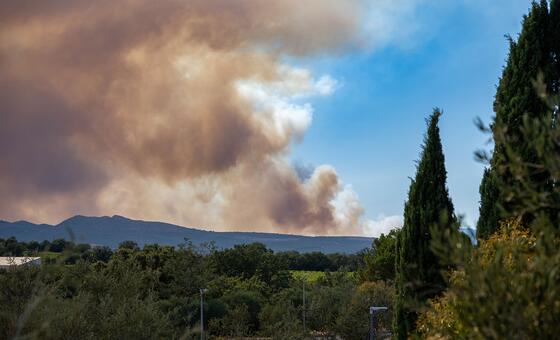
July 2026 became the second-hottest July ever recorded globally, with ocean surface temperatures hitting record highs. The WMO reports extreme heat, drought, wildfires, and flooding are causing serious damage worldwide.
You might have felt it yourself—that relentless heat that made even the simplest outdoor tasks feel like a marathon. Well, it wasn't your imagination. Last month officially became the second-hottest July on record globally, and the numbers are honestly a little alarming.
The World Meteorological Organization (WMO) just released its latest findings, and they paint a clear picture of what's happening to our planet. But here's the thing: this isn't just about uncomfortable afternoons. It's about real consequences for real people, from coast to coast and around the world.
### What the Data Actually Shows
Let's break down the numbers without getting too technical. The WMO tracks global temperatures using a network of weather stations, satellites, and ocean buoys. Their July 2026 report shows that we're not just setting records—we're shattering them in some regions.
- Global average temperatures for July 2026 ranked second-highest ever recorded
- Ocean surface temperatures hit an all-time high for any July on record
- Several regions experienced their hottest days ever measured, with temperatures soaring past 110°F in some areas
What's particularly striking is the ocean data. When sea surface temperatures climb, it affects everything from hurricane formation to marine ecosystems. The WMO noted that these warmer waters could fuel more intense storms in the coming months, which is something coastal communities in the U.S. should watch closely.
### The Ripple Effects We're Already Seeing
Here's where it gets personal. Extreme heat isn't just a statistic—it's the reason your neighbor's lawn turned brown, why water restrictions popped up in your county, and why your electric bill spiked from running the AC nonstop.
The WMO report highlights four major threats that are intensifying:
- **Extreme heat waves** that are lasting longer and covering larger areas
- **Drought conditions** that are drying out reservoirs and threatening agriculture
- **Wildfire risks** that are escalating in dry regions, particularly out West
- **Flash flooding** from sudden, intense rainfall events in other areas
It's a stark contrast. While parts of the country are literally baking, others are dealing with the opposite problem—torrential downpours that overwhelm drainage systems and cause property damage.
### Why This Matters for Your Community
You might be thinking, "Okay, but what does this mean for me?" Fair question. The impacts are more tangible than you'd expect.
For farmers, prolonged heat means stressed crops and lower yields, which eventually shows up in grocery prices. For city planners, it means redesigning infrastructure to handle both extreme heat and sudden flooding. For families, it means higher energy costs and more days when it's unsafe to be outdoors during peak hours.
The WMO isn't just sharing this information for fun. They're calling on governments and communities to take preparedness seriously. That means investing in early warning systems, improving water management, and updating building codes to handle more extreme conditions.
### What We Can Do About It
Look, I'm not here to be doom and gloom. There are practical steps we can all take, both individually and collectively.
On a personal level, it starts with awareness. Know your local heat advisories, have an emergency kit ready, and check on elderly neighbors during heat waves. On a community level, support local initiatives that plant trees for shade, create cooling centers, and improve stormwater management.
The bigger picture involves policy decisions, and that's where informed citizens matter. Understanding what the data says helps you make better choices—whether that's voting for climate-resilient infrastructure or simply conserving water in your daily routine.
### The Bottom Line
July 2026 wasn't just another hot month. It was a wake-up call wrapped in record-breaking temperatures. The WMO's report confirms what many of us have suspected: our climate is changing, and the effects are no longer something happening "somewhere else."
Whether you're a homeowner worried about your property, a business owner managing supply chains, or just someone who wants to enjoy a comfortable summer, these trends affect you. The good news? Awareness is the first step toward action, and now we have the data to back it up.
Stay informed, stay prepared, and maybe keep that extra bottle of water in your car. We're going to need to adapt, but we're not powerless in the face of these changes.