July 2026 Shattered Temperature Records Across the Globe. Here's What It Means
Jessica Miller ·
Listen to this article~5 min
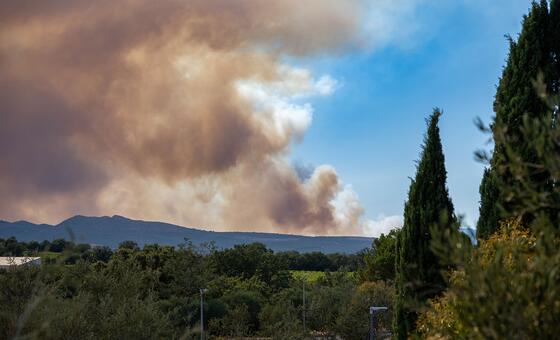
July 2026 was the second-warmest on record, with ocean temperatures hitting all-time highs. The WMO's latest report reveals how extreme heat, drought, and floods are reshaping lives and economies globally.
Last month wasn't just another hot July. It was the second-warmest July ever recorded on a global scale, and ocean surface temperatures hit an all-time high for that month. That's not a small detail. The World Meteorological Organization (WMO) confirmed the news, and the implications stretch far beyond a few uncomfortable days.
When we talk about record-breaking heat, it's easy to brush it off as just another weather headline. But the data paints a much more serious picture. Extreme heat, drought, wildfires, and floods are no longer rare events. They're becoming the new normal, and they're hitting people, economies, and ecosystems hard across every corner of the planet.
### What the Numbers Actually Tell Us
Let's break down what the WMO report really means. A "second-warmest July" sounds almost like good news, right? Not exactly. The fact that we're still this close to the hottest year on record, even without an El Niño boost, is a loud warning sign.
- Global air temperatures were nearly 2.7°F above the pre-industrial average for the month.
- Ocean surface temperatures reached unprecedented levels for July, which fuels stronger storms and disrupts marine life.
- Several regions experienced heatwaves that lasted weeks, not just days.
The ocean is the planet's biggest heat sponge. When it gets warmer, everything changes. Fish migrate, coral reefs bleach, and the weather patterns we rely on start shifting in unpredictable ways.
### Why Ocean Heat Matters More Than You Think
Here's where it gets personal. The ocean doesn't just affect people who live near the coast. Warmer seas mean more evaporation, which means more intense rainfall in some areas and longer dry spells in others. That's why we're seeing both devastating floods and stubborn droughts in the same season, sometimes in neighboring countries.
A warmer ocean also gives hurricanes and typhoons more fuel. Even a small increase in water temperature can turn a Category 2 storm into a Category 4 monster. And when those storms make landfall, they bring storm surges that can flood entire neighborhoods in a matter of hours.
### The Human and Economic Toll
It's easy to talk about statistics, but the real cost is measured in lives and livelihoods. Farmers are watching crops wither in the field. Firefighters are battling blazes that seem to multiply overnight. City planners are scrambling to update infrastructure that was never designed for this kind of heat.
- Agriculture losses from extreme heat and drought are expected to reach billions of dollars this year alone.
- Insurance claims from flood damage have skyrocketed, pushing premiums higher for everyone.
- Public health systems are strained as heat-related illnesses send more people to emergency rooms.
The economic ripple effects are hard to overstate. When a major port shuts down due to flooding, supply chains tighten. When a heatwave forces power plants to reduce output, energy prices spike. It all adds up, and eventually, it hits your wallet.
### What Can We Actually Do About It?
This isn't a problem that's going to solve itself. But it's also not a reason to throw up our hands. The WMO's report is a call to action, not a doomsday prophecy. Communities are already adapting, and there are practical steps being taken right now.
Cities are planting more trees to create natural cooling corridors. Farmers are switching to drought-resistant crops. Engineers are designing buildings that stay cool without guzzling electricity. And on a global scale, there's growing pressure to cut greenhouse gas emissions before we lock in even more warming.
### The Bottom Line
July 2026 was a wake-up call. The records being broken aren't just numbers on a chart. They represent real changes to the world we live in, and they're happening faster than many of us expected. The good news is that we still have time to act, but the window is closing. Whether it's supporting climate-friendly policies or making small changes in our own lives, every bit counts.
Stay informed, stay prepared, and don't let the heat fade from the headlines. Because this story isn't going away, and neither are the consequences.