Why July Saw the Deadliest Toll for Ukrainian Civilians Since 2022
Eleanor Vance ·
Listen to this article~5 min
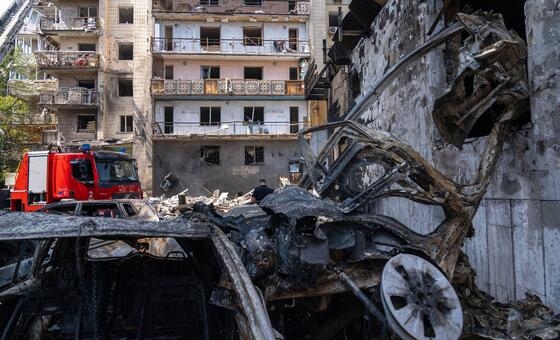
UN reports July 2026 saw the highest civilian casualties in Ukraine since March 2022. Here's what's driving the spike and why it matters.
When the United Nations Human Rights Monitoring Mission in Ukraine released its latest casualty figures, the numbers stopped a lot of people in their tracks. July 2026 recorded the highest number of civilian deaths and injuries of any single month since March 2022. That's a grim milestone that deserves a closer look.
The report, which came out on a Thursday, is more than just a statistic. It's a snapshot of how the war has evolved, where the dangers are concentrated, and what it means for the people who are simply trying to live their lives. Let's break down what the UN is actually saying and why these numbers matter so much.
### The Human Cost Behind the Numbers
To put this in perspective, you have to remember what March 2022 looked like. That was the first full month of the full-scale invasion, a period of chaos, displacement, and intense fighting around major cities like Kyiv, Mariupol, and Kharkiv. For a long time, those early months held the unenviable record for the worst civilian toll. The fact that July 2026 has now eclipsed that is deeply concerning.
We're not just talking about a single incident or a one-off tragedy. This is a sustained pattern over a full month. The UN mission tracks verified casualties, which means the real number is likely higher. Their methodology is conservative, relying on confirmed reports and cross-checked sources. So when they say it's the worst month in over four years, it's a signal that something fundamental has shifted on the ground.
### What's Driving the Increase?
The UN report doesn't point to a single cause, but the trends are fairly clear to anyone following the conflict. A few key factors seem to be at play:
- **Heavier use of long-range weapons:** The increased deployment of ballistic missiles and drones against urban centers has made it nearly impossible for civilians to find safe havens.
- **Targeting of critical infrastructure:** Strikes on power grids, water treatment plants, and hospitals create secondary dangers. When the power goes out, medical equipment fails. When water isn't treated, disease spreads.
- **Frontline shifts:** As the front lines move, new areas become exposed. Villages and towns that were previously considered rear areas are now in the line of fire.
The combination of these factors creates a deadly cocktail. It's not just about the initial blast; it's about the cascading effects that follow. A missile hitting a residential block is a tragedy. A missile hitting a power substation can indirectly kill people in a dozen different ways over the following weeks.
### Why This Matters Beyond the Numbers
For those of us watching from afar, it's easy to become numb to casualty reports. But behind every one of those verified cases is a family that has been torn apart. A child who lost a parent. A community that lost a teacher or a doctor. The UN's data is a reminder that this war has a very human price tag, and that price is being paid disproportionately by people who have no say in the conflict.
It's also worth noting that the UN mission's work is painstaking. They don't just count bodies; they document patterns of violations, which can be used in future accountability efforts. The spike in July isn't just a bad month; it's evidence that could shape international legal proceedings down the line.
### The Bigger Picture
So what does this mean for the next few months? If the current trends hold, we could see these numbers continue to climb. The international community's response, or lack thereof, will be crucial. Sanctions, diplomatic pressure, and military aid all play a role in shaping the battlefield, and ultimately, the safety of civilians.
The UN report is a wake-up call. It's a stark reminder that the war in Ukraine is not a frozen conflict or a distant problem. It's an active, breathing crisis that is getting worse for the most vulnerable people caught in the middle. The data is in, and it's not good news. The only question is what we choose to do with it.
For now, the focus should be on the people on the ground. They need humanitarian aid, safe corridors, and a genuine commitment from the global community to hold those responsible for these attacks accountable. The numbers are a call to action, not just a statistic to be filed away.