July Saw the Deadliest Toll for Ukrainian Civilians Since Early 2022
Dr. Eleanor Vance ·
Listen to this article~4 min
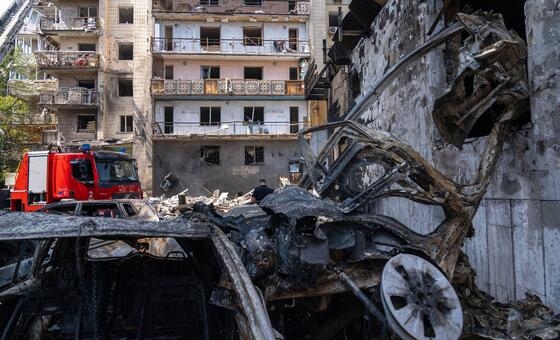
The UN reports that July 2026 saw the highest civilian casualties in Ukraine since March 2022. Explore the data, the causes, and what it means for the conflict.
The numbers are stark, and they paint a grim picture that's hard to ignore. According to the UN Human Rights Monitoring Mission in Ukraine, July 2026 was the deadliest month for civilians since March 2022. That's a staggering statement when you consider the context of the ongoing conflict and the sheer scale of devastation we've witnessed over the past few years.
This isn't just a statistic or a line item in a report. Behind every one of those numbers is a person—a parent, a child, a neighbor. The uptick in casualties signals a worrying trend, and it's worth pausing to understand what's driving this spike and what it means for the people on the ground.
### What the Latest Data Tells Us
The UN's monitoring mission tracks civilian casualties meticulously, and their latest report shows that the number of people killed or injured in July exceeded every other month since March 2022. To put that in perspective, that's over four years of sustained conflict, and this past month was the worst of it.
The report, released on a Thursday, highlights a disturbing escalation. While the mission doesn't always break down every single incident in real-time, the aggregate data is clear: the human cost is rising again. We're not just talking about a slight bump; this is a significant leap that demands attention.
### Why Is This Happening Now?
Several factors likely contribute to this tragic increase. When you look at conflict zones, civilian casualties often spike when there's a shift in tactics or when urban areas become battlegrounds. It's also possible that we're seeing the impact of new weaponry or a change in the intensity of shelling near populated centers.
Here are a few key drivers that experts are pointing to:
- **Increased use of explosive weapons** in residential areas, which leaves little room for escape.
- **Targeted strikes on critical infrastructure**, which can cause secondary harm to civilians.
- **A breakdown in evacuation corridors**, making it harder for people to flee to safety.
These aren't just tactical considerations; they have real, life-or-death consequences for ordinary families trying to survive.
### The Broader Context of the Conflict
It's easy to get lost in the daily headlines, but stepping back helps. The conflict, which began in early 2022, has already displaced millions and caused widespread destruction. The fact that we're seeing a resurgence in casualties now suggests that the situation is far from stabilizing.
For those of us watching from a distance, it can feel overwhelming. But it's crucial to remember that this data isn't just for policymakers or academics. It's a reminder that the cost of war is measured in human lives, and every month of inaction or escalation has a price.
### What Can Be Done?
While the situation on the ground is complex, there are steps that the international community can take to help mitigate the suffering. This isn't about picking sides; it's about upholding basic human rights and protecting innocent lives.
- **Push for stronger humanitarian access** so that aid can reach those who need it most.
- **Support diplomatic efforts** aimed at de-escalation, even when they seem unlikely to succeed.
- **Document and report violations** to ensure accountability and deter future attacks.
It's a heavy topic, and there are no easy answers. But staying informed and advocating for change is a start. The numbers from July are a wake-up call, and how we respond will shape the path forward for Ukraine and its people.