July's Civilian Toll in Ukraine: The Highest Since 2022
James Sterling ·
Listen to this article~4 min
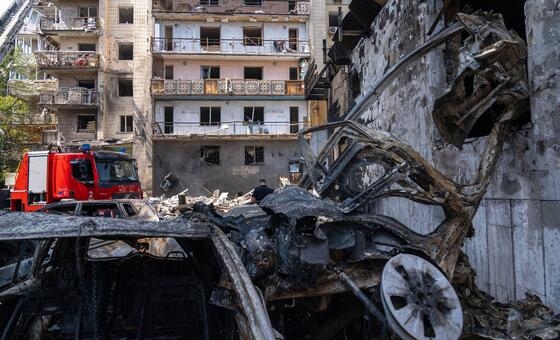
The UN reports July 2026 saw the highest civilian casualties in Ukraine since March 2022. Here's what that means for the conflict and the people caught in it.
When the United Nations releases its monthly monitoring reports on Ukraine, the numbers tend to blur together after a while. But the latest data from the UN Human Rights Monitoring Mission stopped me cold.
July 2026 saw more civilians killed or wounded than any single month since March 2022. That's not a typo. Not a slow news day. It's the deadliest stretch for ordinary people in over four years of this brutal war.
### What the UN Actually Reported
The mission's Thursday update didn't mince words. In July 2026, the combined number of civilian casualties—both deaths and injuries—exceeded every other month dating back to March 2022. That includes the early chaos of the invasion, the urban sieges, and every major offensive since.
Think about what that means. We're not talking about soldiers on the front lines. These are families in apartment buildings, people waiting at bus stops, kids on their way to school. The war hasn't just continued—it's escalated in ways that directly threaten everyday life.
### Why This Month Stands Out
Nobody at the UN offered a single simple explanation, and honestly, that's rare. Usually there's a clear culprit: a new weapon system, a specific battle, a deliberate campaign. This time, the picture is messier.
Some of it likely comes down to the changing nature of the conflict. Front lines have shifted, but so has the weaponry. Drones, long-range strikes, and cluster munitions don't discriminate between a military target and a neighborhood café. When those tools become more common, civilian casualties climb right along with them.
There's also the simple math of exhaustion. After four years, air defense systems wear down. Shelters fall into disrepair. People take more risks because they're tired of living in fear. That's not a criticism—it's just human nature under impossible pressure.
### The Human Cost Behind the Numbers
It's easy to get lost in statistics, so let's put this in perspective. The UN mission has been tracking these figures since the invasion began in February 2022. For most of that time, the monthly toll followed a grim but somewhat predictable pattern. Then July broke the curve.
Here's what that means for the people on the ground:
- More families are burying loved ones this summer than at any point since the war's first chaotic months
- Hospitals in frontline cities are treating more trauma cases, stretching already thin medical resources
- Children are losing parents, and parents are losing children, at a pace we haven't seen in years
- The psychological weight of knowing any day could be the worst one yet is taking its own invisible toll
These aren't just data points. They're lives interrupted, futures erased, communities shattered.
### What Comes Next
Nobody has a crystal ball, but the trends aren't encouraging. If July set a new standard for violence, August could easily match or exceed it unless something fundamental changes. The UN mission didn't offer policy prescriptions—that's not their job. Their role is to document, to verify, and to make sure the world can't look away.
For those of us watching from a distance, the takeaway is uncomfortable but clear: the war in Ukraine isn't winding down. It's evolving into something that hits civilians harder than ever before. The international community has spent years debating how to respond, but the clock is ticking. Every month that passes without meaningful action risks becoming another July.
The monitoring mission will keep counting. The question is whether anyone in power will do more than just read the numbers.