Kazakhstan's New Agricultural Projects Could Change Global Food Security
James Wilson ·
Listen to this article~5 min
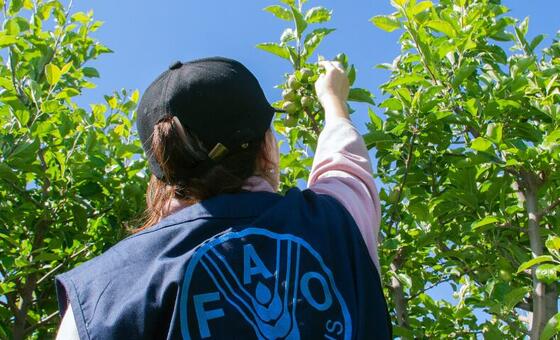
Kazakhstan and the FAO have launched three new agricultural projects aimed at strengthening the country's farming sector and boosting climate resilience through innovative approaches. Here's what it means for global food security.
When you think about global food supply, Kazakhstan probably isn't the first country that comes to mind. But that might be about to change. The Central Asian nation just kicked off three new agricultural projects with the Food and Agriculture Organization of the United Nations (FAO), and the implications could ripple far beyond its borders.
The timing couldn't be more critical. With climate change throwing weather patterns into chaos and supply chains still recovering from recent shocks, every country's farming strategy matters more than ever. Kazakhstan, despite being one of the world's largest landlocked nations, has often flown under the radar in agricultural conversations. That's a mistake worth correcting.
### Why Kazakhstan's Agriculture Actually Matters
Here's something most people don't realize: Kazakhstan is a serious agricultural heavyweight. The country's vast steppes cover millions of acres, and it's consistently among the top ten global wheat exporters. When harvests fluctuate there, prices shift everywhere from Cairo to Jakarta.
The problem is that traditional farming methods are hitting their limits. Soil degradation, water scarcity, and increasingly unpredictable weather are squeezing yields. Farmers who once relied on predictable seasonal patterns now face droughts one year and devastating floods the next.
That's exactly where these new FAO-backed projects come in. They're not just about helping one country modernize. They're about stabilizing a critical link in the global food chain.
### The Three Projects: What's Actually Happening
The FAO and Kazakhstan's government aren't just signing memorandums and calling it a day. These are concrete, funded initiatives designed to tackle specific pain points. While the details are still rolling out, the focus areas are clear:
- **Climate resilience building** – helping farmers adapt to extreme weather through better crop selection and water management
- **Innovation adoption** – bringing in modern precision agriculture tools that cut waste and boost yields
- **Sustainability practices** – shifting toward methods that protect soil health for the long haul
Each project reinforces the others. You can't adopt new technology without training farmers to use it, and you can't build resilience without updating the underlying infrastructure. It's a holistic approach, which is rare in development work.
### What This Could Mean for You
If you're sitting in the United States reading this, you might wonder why you should care about agricultural projects in a country you'll likely never visit. Fair question. Here's the thing: food prices are global. When Kazakhstan's wheat production dips, it affects commodity markets that eventually determine what you pay at the grocery store.
More importantly, the innovative approaches tested here could become templates for other regions facing similar climate challenges. The American Midwest, for instance, is dealing with its own version of soil degradation and extreme weather. Solutions that work in Kazakhstan's harsh environment often translate surprisingly well to other dryland farming regions.
### The Bigger Picture
This isn't just about technology or yields. It's about creating systems that can withstand whatever comes next. The FAO has been pushing for climate-smart agriculture for years, and Kazakhstan is becoming a proving ground for those ideas.
There's also a geopolitical angle worth noting. Kazakhstan sits at a crossroads between Europe and Asia, and strengthening its agricultural independence has strategic implications. Countries that can feed themselves are harder to pressure, and that stability benefits everyone.
### Looking Ahead
The real test will come in the next few growing seasons. Will these projects deliver measurable improvements, or will they get bogged down in bureaucracy? History suggests mixed results, but there's reason for cautious optimism here.
Kazakhstan has shown genuine commitment to modernizing its agricultural sector, and the FAO brings decades of technical expertise to the table. That combination has worked elsewhere, and there's no reason it can't work here.
For now, the projects represent a meaningful bet on the future of food security. Whether you're a farmer in Kansas, a policy wonk in Washington, or just someone who likes to eat, that's worth paying attention to. The next time you see Kazakhstan in the news, it might not be about oil or geopolitics. It might be about the food on your plate.