Kazakhstan's New Plan Could Transform Farming Amid Climate Change
David van der Veldt ·
Listen to this article~5 min
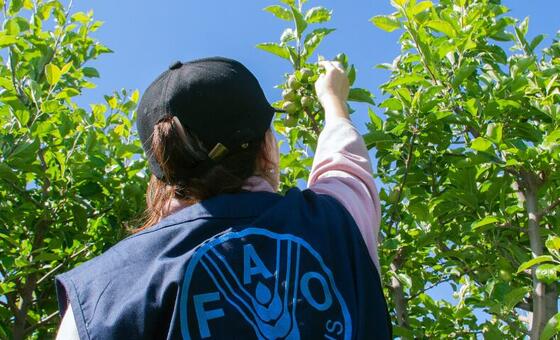
Kazakhstan and the FAO launch three projects to modernize farming, boost climate resilience, and secure global food supplies through innovative, sustainable approaches.
You might not think about Kazakhstan when you consider global agriculture, but this massive country plays a surprisingly big role in feeding the world. It's one of the largest wheat exporters on the planet, and its vast steppes are home to millions of acres of farmland. So when Kazakhstan decides to modernize its agricultural sector, it's worth paying attention.
Recently, the country teamed up with the Food and Agriculture Organization of the United Nations (FAO) to launch three new projects aimed at strengthening farming and making it more resilient to climate change. That's a big deal, not just for Kazakhstan, but for anyone who cares about global food security.
### Why This Partnership Matters
Here's the thing: farming in Kazakhstan isn't easy. The country faces harsh winters, scorching summers, and unpredictable rainfall. Climate change is making all of that worse. Traditional farming methods that worked for generations are starting to show their limits.
That's where the FAO comes in. They bring technical expertise, global best practices, and a network of specialists who've tackled similar challenges in other parts of the world. Together with local officials and farmers, they're hoping to find solutions that actually work on the ground.
The three projects focus on different aspects of agriculture, from improving soil health to adopting smarter water management techniques. The goal? To help farmers produce more food while using fewer resources and protecting the environment at the same time.
### What Innovation Looks Like in Practice
When people hear "innovation" in agriculture, they often think of drones and robots. And sure, those things play a role. But the real innovation here is more about approach than gadgets.
Some of the key strategies include:
- **Climate-smart farming techniques** that help crops survive extreme weather
- **Better soil management** to prevent erosion and boost fertility naturally
- **Efficient irrigation systems** that use less water while keeping crops healthy
- **Data-driven decision making** so farmers know exactly when to plant, water, and harvest
These aren't flashy, but they're practical. And in a country where agriculture employs millions of people, practical solutions matter more than ever.
### The Bigger Picture
This isn't just about Kazakhstan. It's about what happens when a major food producer adapts to a changing climate. If these projects succeed, they could serve as a model for other countries facing similar challenges.
Think about it this way: if you're a farmer in Nebraska or Iowa, you're dealing with drought, flooding, and unpredictable seasons too. The techniques being tested in Kazakhstan could eventually find their way to American farms.
Of course, there are no guarantees. Agricultural projects take time to show results, and there's always the risk that things don't go as planned. But the fact that Kazakhstan is taking this seriously, and partnering with an organization like the FAO, is a positive sign.
### What This Means for Global Food Security
Here's the reality: the world's population keeps growing, and we need to feed more people with less land and water. Climate change is making that harder, not easier. Every country that invests in sustainable agriculture is contributing to a more stable food supply for everyone.
Kazakhstan's move is part of a larger trend. From Africa to Latin America to Asia, countries are realizing that business-as-usual isn't going to cut it anymore. We need new ideas, new partnerships, and new ways of thinking about how we grow food.
The next few years will be telling. If these projects deliver on their promise, we'll see healthier soils, more resilient crops, and farmers who are better prepared for whatever the weather throws at them. That's something worth rooting for.
### A Practical Takeaway
Whether you're a farmer, a policy maker, or just someone who eats food, there's a lesson here. Adaptation isn't optional anymore. It's essential.
Kazakhstan and the FAO are showing that with the right support and collaboration, we can tackle even the most daunting agricultural challenges. It won't happen overnight, but every step forward counts.
And who knows? Maybe the techniques developed on the Kazakh steppes will one day help farmers in your own backyard. That's the kind of progress we can all get behind.