What Kenya, Kazakhstan, and Botswana Know About Saving the Land That Feeds Us
Emily Wilson ·
Listen to this article~5 min
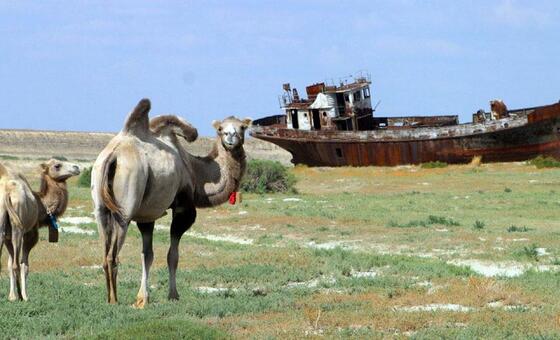
Kenya, Kazakhstan, and Botswana share a powerful lesson: restoring grasslands works best when science respects traditional herding knowledge. Here's how that partnership is healing the land.
What do Botswana, Kazakhstan, and Kenya have in common? At first glance, not much. Different continents, different climates, different cultures. But they've all learned the same hard-won lesson over the years: restoring grassland is most effective when science works hand-in-hand with traditional knowledge.
That might sound simple, but it's actually a radical shift in how we think about land management. For decades, the default approach was top-down: experts fly in, analyze the soil, and prescribe solutions. Local herders were often treated as part of the problem, not the solution. That mindset is finally changing, and the results are turning heads.
### Why Grasslands Matter More Than You Think
We tend to romanticize forests when we talk about climate and food security. But grasslands are the quiet workhorses of the planet. They cover about 40 percent of Earth's land surface and support billions of people through livestock, wildlife, and water filtration. When they degrade, entire communities lose their livelihoods. When they thrive, they pull carbon from the air and hold soil in place.
The problem is that many of these lands are in trouble. Overgrazing, drought, and poor management have turned once-vibrant pastures into dust bowls. The good news? Recovery is possible, and it doesn't always require expensive technology or massive infrastructure projects.
### The Power of Combining Old Wisdom with New Tools
The real breakthrough in these three countries came when researchers stopped lecturing and started listening. Local herders have spent generations observing rainfall patterns, animal behavior, and plant cycles. That knowledge is incredibly detailed and often more accurate than satellite data alone.
What science brings to the table is scale and precision. Remote sensing can track vegetation health across thousands of miles. Soil sampling can reveal nutrient deficiencies that aren't visible to the naked eye. Mobile apps can help coordinate grazing schedules across vast territories. When you merge those tools with what herders already know, you get something neither side could achieve alone.
Take Kenya as an example. In the northern rangelands, pastoralists have long practiced rotational grazing, moving their cattle to let grasses recover. Scientists helped refine those patterns using GPS data, showing exactly when an area needed rest and when it was ready for the herd again. The result? Grass cover increased, water retention improved, and livestock stayed healthier.
### A Lesson in Humility and Collaboration
Here's the thing that often gets lost in the conversation: this isn't just about technique. It's about respect. Projects that failed in the past usually failed because they ignored local voices. The ones that work are built on genuine partnership.
In Kazakhstan, vast steppe lands were mismanaged for decades under centralized planning. After the Soviet era, much of that land sat abandoned. Today, researchers are working with nomadic families who remember the old ways of moving herds across the steppe. By reintroducing those patterns and pairing them with modern monitoring, the land is bouncing back faster than anyone predicted.
Botswana offers another angle. There, wildlife and livestock share the same landscape. Traditional burning practices, once banned, are being revisited as a tool for rejuvenating grasses. Scientists now recognize that these controlled burns, done at the right time and scale, can mimic natural cycles and boost biodiversity.
- Rotational grazing reduces pressure on vulnerable plants
- Controlled burns clear dead growth and fertilize soil
- Mobile technology helps coordinate large-scale herd movements
### What This Means for the Rest of Us
You don't have to be a rancher or a policymaker to take something from this story. The core lesson is about humility. We don't have all the answers, and neither do the experts. The best solutions often come from unexpected places.
For anyone involved in land management, farming, or even conservation work, the takeaway is clear: stop treating tradition as outdated and start treating it as data. That's not a romantic notion; it's a practical strategy. When you combine centuries of observation with cutting-edge analytics, you get decisions that are both smarter and more sustainable.
The land that feeds the world isn't just soil and grass. It's a living system shaped by people who've cared for it through generations. The sooner we recognize that, the better off we'll all be. And honestly, that's a lesson worth sharing far beyond Kenya, Kazakhstan, and Botswana.