Why Kharkiv Is Moving Maternity Care Underground
Amanda Wilson ·
Listen to this article~4 min
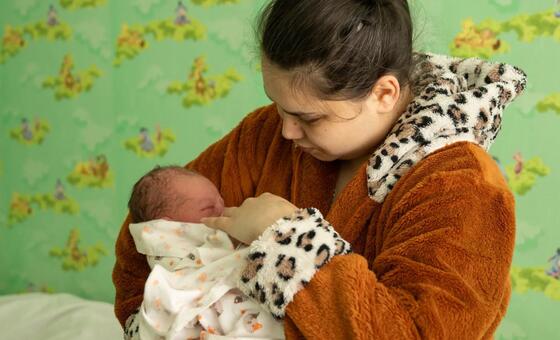
As war enters its fifth year, Kharkiv is moving maternity care underground with UN support. Here's what it means for mothers, newborns, and the future of crisis healthcare.
War changes everything. But some changes are harder to see than others. Right now, in Ukraine, the healthcare system is running on fumes, and the people who feel it most are often the ones who need care the most: pregnant women, new mothers, and newborns.
We're now in the fifth year of a full-scale conflict that has stretched every resource thin. The situation in frontline regions is especially brutal. For women living near the fighting, accessing basic sexual and reproductive health services has become a daily gamble. Gynecological checkups, prenatal visits, postpartum support, and even help for survivors of gender-based violence are all harder to get than ever before.
That's why a new initiative in Kharkiv is turning heads. With support from the United Nations, the city is setting up underground maternity departments designed to keep mothers and babies safe when the surface world becomes too dangerous.
### What's Actually Happening in Kharkiv?
Kharkiv sits close to the front lines, which means it's been hit hard and often. Hospitals above ground are vulnerable to strikes, and power outages can knock out critical equipment in seconds. So the idea here is simple: move the most essential services below ground, where they're shielded from the worst of the chaos.
These aren't just bomb shelters with a few beds thrown in. We're talking about properly equipped underground units. Think operating rooms, recovery spaces, and neonatal care stations, all tucked away beneath the city's streets. The goal is to give women a safe place to give birth, even when sirens are wailing above them.
This is a massive logistical lift. You can't just dig a hole and call it a hospital. You need ventilation, backup power, sterile supplies, and trained staff who are willing to work in these conditions. And you need to do it all while the war is still raging.
### Why This Matters Beyond the War
Here's the thing: this isn't just about Ukraine. It's a blueprint for how any conflict zone or disaster-prone area can protect its most vulnerable populations. When infrastructure collapses, the first thing to go is often maternal and newborn care. That leads to more complications, more preventable deaths, and more trauma that lasts long after the fighting stops.
By investing in underground maternity wards, Kharkiv is sending a message: even in the darkest times, we refuse to abandon our mothers and children. That's a powerful statement, and it's one that other regions facing instability could learn from.
### The Broader Impact on Women's Health
The ripple effects of this war on women's health are staggering. Here are just a few of the challenges that have become everyday reality:
- **Disrupted prenatal care:** Routine checkups are often delayed or skipped entirely because it's too dangerous to travel.
- **Limited access to emergency care:** If a complication arises during labor, getting to a hospital in time is not guaranteed.
- **Rising rates of gender-based violence:** In conflict zones, domestic violence and sexual assault tend to spike, but support services are scarce.
- **Mental health strain:** The constant fear and uncertainty take a heavy toll on pregnant women and new mothers.
These underground units won't solve everything, but they're a critical lifeline. They offer a place where women can receive care without worrying about the next missile strike.
### What Comes Next?
This is still an evolving situation. The UN and local authorities are working together to expand these facilities, and there's hope that more cities will adopt similar approaches. But the reality is that the need is enormous, and the resources are limited.
For now, the focus is on making sure that no woman has to choose between her safety and her health. And while the world watches, Kharkiv is showing what resilience looks like when it's put into practice.
If you're a healthcare professional, a policymaker, or just someone who cares about human rights, this is a story worth following. Because what happens in those underground wards could shape how we respond to crises for years to come.