How Kharkiv Is Protecting New Mothers Underground
David Wilson ·
Listen to this article~4 min
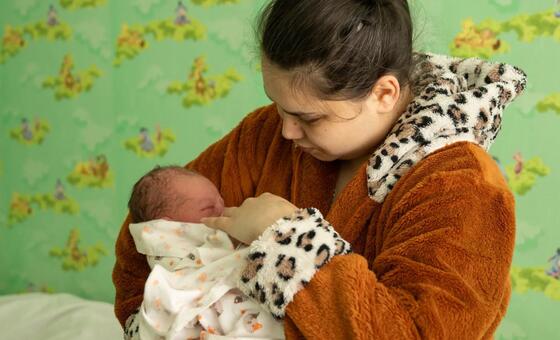
As war enters its fifth year, Kharkiv is moving maternity care underground with UN support. See how these fortified units are protecting mothers and newborns.
It's hard to imagine giving birth while bombs are falling overhead. But for thousands of women in Ukraine, that's become a terrifying reality. As the war grinds into its fifth year, the country's healthcare system is stretched beyond anything it was designed to handle. And in the front-line regions, the situation is especially dire.
The challenges women face are staggering. Routine gynecological appointments have become logistical nightmares. Prenatal care is often interrupted or delayed. Postnatal support is inconsistent at best. And for survivors of gender-based violence, finding help can feel nearly impossible. The system is breaking under the weight of war, and those who need it most are being left behind.
### A Bold Solution Taking Shape Underground
That's why a new initiative in Kharkiv is turning heads. With support from the United Nations, the city is converting underground spaces into fully equipped maternity and newborn units. These aren't just emergency shelters. They're designed to function as proper medical facilities, offering a safe haven where women can give birth and receive essential care without fear of shelling.
It's a practical response to an unthinkable problem. When the sirens blare, patients and medical staff no longer have to scramble. The underground units are built to withstand the kind of attacks that have devastated the region. For expectant mothers, this means a chance at something that's become precious: a safe, calm environment to welcome their child.
### Why Maternal Health Care Can't Wait
Let's be clear about what's at stake here. Pregnancy doesn't pause for a ceasefire. Women go into labor at 3 a.m. in the middle of an air raid. They need emergency care for complications. They need someone to talk to after experiencing violence. These aren't optional services. They're lifelines.
The UN-backed project acknowledges this reality head-on. By bringing critical services underground, Kharkiv is making a statement: maternal health is non-negotiable, even in wartime. The units are stocked with essential equipment, staffed by trained professionals, and designed to provide continuity of care.
### The Human Cost of Broken Systems
We can talk about infrastructure and logistics, but behind every statistic is a person. A woman who's been displaced from her home, carrying a child, and terrified about what the future holds. A new mother who can't access postnatal check-ups because the clinic was destroyed. A survivor of assault with nowhere to turn.
The underground units can't solve all of these problems. They can't end the war or rebuild shattered homes. But they represent something vital: a commitment to protecting the most vulnerable, even when everything around them is falling apart.
### What This Means for the Future
There's a broader lesson here that resonates far beyond Ukraine's borders. When systems are pushed to their breaking point, innovation often emerges from necessity. The underground maternity units are a testament to human resilience and the refusal to accept that some lives matter less than others.
This project also sets a precedent. If it works, it could serve as a model for other conflict zones around the world. The idea of integrating maternal health services into protective infrastructure isn't just clever. It's a blueprint for how we might approach healthcare in the most dangerous places on Earth.
### Looking Ahead
The reality is that the war shows no signs of ending soon. Healthcare workers in Kharkiv and beyond will continue to face impossible choices. But with projects like this, they're getting a fighting chance to do their jobs and save lives.
For the women who will give birth in those underground units, it means everything. They'll have a place to feel safe, supported, and cared for. In a world that's been turned upside down, that's no small thing. It's a reminder that even in the darkest times, people find ways to protect each other and bring new life into the world with dignity.