Kharkiv's Underground Maternity Wards: A Lifeline Under Fire
Emily Davis ·
Listen to this article~4 min
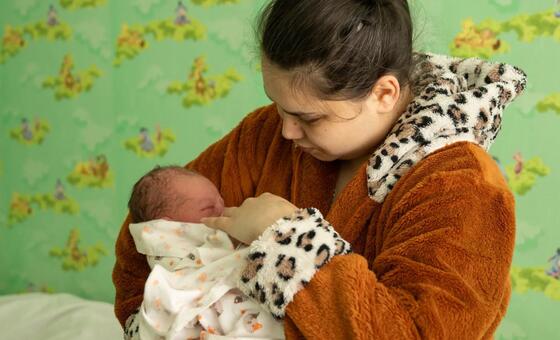
In war-torn Kharkiv, UN-backed underground maternity wards are giving mothers and newborns a fighting chance. Here's how these fortified medical units are changing the game for frontline healthcare.
Five years into a full-scale war, Ukraine's healthcare system is straining under an impossible load. Nowhere is that more visible than in frontline regions, where the simple act of giving birth has become a high-stakes operation. But in Kharkiv, something remarkable is happening: with support from the United Nations, underground maternity wards are being built to protect mothers and their newborns from the chaos above.
### Why Underground Care Matters Now More Than Ever
The reality for women in these zones is harsh. Routine gynecological visits, prenatal checkups, and postpartum support have all become unpredictable. Access to care can vanish in an instant when sirens blare or shelling intensifies. And for survivors of gender-based violence, finding a safe space to seek help is even harder. The ground-level clinics that once served these communities are often damaged, understaffed, or simply too dangerous to reach.
That's why the decision to move maternity services underground isn't just practical—it's a lifeline. These new wards are designed to keep functioning during active bombardment, offering a semblance of normalcy in a world that's anything but normal.
### What the New Underground Wards Offer
- **Protected delivery rooms** that can operate continuously, even during air raids
- **Neonatal units** equipped to care for premature or vulnerable newborns without interruption
- **Private consultation spaces** for survivors of gender-based violence to speak with counselors safely
- **Basic laboratory services** so that essential tests don't require a dangerous trip above ground
These aren't just concrete bunkers with stretchers. They're fully stocked medical facilities, built to meet the same standards as above-ground hospitals. The goal is to ensure that no woman has to choose between her safety and her health.
### The Human Side of the Story
It's easy to talk about infrastructure, but let's not forget what this really means. For a mother in Kharkiv, it means not having to wait for a lull in the fighting to see a doctor. It means knowing that if complications arise during labor, help is just a few steps away—not miles down a shell-pocked road. It means that even in the darkest days of war, the system hasn't abandoned her.
One midwife involved in the project put it simply: "We can't stop the bombs, but we can make sure they don't stop life." That sentiment captures the spirit of the entire initiative. It's not just about survival; it's about dignity.
### What This Means for the Future
While this project is focused on Kharkiv, it could become a model for other frontline cities facing similar challenges. If it works here, it can work elsewhere. And that's a hopeful thought, even in the middle of a war.
There are still enormous hurdles ahead. Funding needs to be sustained, staff need to be trained, and the constant threat of escalation looms over everything. But for now, these underground wards represent a tangible commitment to protecting the most vulnerable among us.
### A Small Victory Worth Noting
In a conflict defined by loss, every small victory matters. The creation of these underground maternity units is one of them. It reminds us that even in the most brutal circumstances, human beings find ways to care for each other. And that's something worth holding onto.
If you're in a position to support humanitarian efforts in Ukraine, consider donating to reputable organizations working on the ground. Every dollar counts when it comes to keeping these vital services alive.
---
*This article is based on publicly available information and aims to highlight the ongoing efforts to protect maternal health in conflict zones.*