Kharkiv's Underground Maternity Wards: A Lifeline for Newborns
Sarah Jenkins ·
Listen to this article~4 min
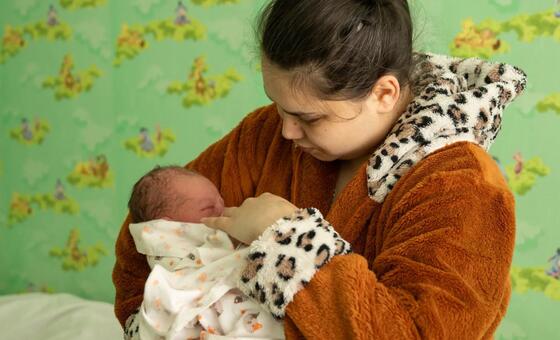
As war strains Ukraine's healthcare system, Kharkiv is equipping underground maternity units with UN support to keep mothers and newborns safe during attacks.
Five years into a full-scale war, Ukraine's healthcare system is running on fumes. Nowhere is that more true than in the front-line regions, where the constant threat of shelling has turned routine medical care into a logistical nightmare. For pregnant women, the stakes are impossibly high: a routine checkup could mean risking your life, and the life of your unborn child, just to get to a clinic.
That's why a new initiative in Kharkiv is turning heads. With support from the United Nations, the city is equipping underground maternity units designed to keep mothers and newborns safe during the relentless attacks. This isn't just about patching up a broken system—it's about rethinking what safe childbirth means in a war zone.
### Why Underground Maternity Wards Matter
When the air raid sirens wail, the first instinct is to take cover. For a woman in labor, that's not an option. You can't pause contractions or wait for the all-clear. Underground facilities offer a practical solution: a place where childbirth can proceed without interruption, even as missiles fly overhead.
The concept is simple but profound. These aren't just bomb shelters with a few cots thrown in. They're fully equipped medical spaces, designed to handle everything from routine deliveries to emergency C-sections. The goal is to provide a standard of care that rivals what women would get in any peacetime hospital.
### What's Inside These Underground Units
The new facilities are built with the specific needs of mothers and newborns in mind. Here's what they're designed to include:
- **Delivery rooms** with proper lighting, sterile equipment, and monitoring gear
- **Neonatal intensive care units** for premature or at-risk babies
- **Postpartum recovery areas** where mothers can rest without fear
- **Gynecological exam rooms** for prenatal and postnatal checkups
- **Private spaces** for counseling survivors of gender-based violence
It's a comprehensive approach. The focus isn't just on the moment of birth, but on the entire continuum of care—from the first prenatal visit to the weeks after delivery.
### The Broader Crisis in Reproductive Health
The underground wards are a response to a much larger problem. Across front-line areas, women are facing severe disruptions in sexual and reproductive health services. Access to gynecological care has plummeted. Prenatal and postnatal support is patchy at best. And for survivors of gender-based violence, finding help can feel impossible.
"We're seeing women who haven't had a single prenatal visit by the time they go into labor," says one healthcare worker in the region. "They're terrified, not just of the bombs, but of what will happen to them and their babies."
This isn't a niche issue. It's a public health emergency that affects thousands of families. The underground units won't solve everything, but they represent a critical safety net for the most vulnerable moment in a woman's life.
### A Model for Resilience
What's happening in Kharkiv could serve as a blueprint for other conflict zones. When surface-level infrastructure is destroyed, going underground isn't just a defensive tactic—it's a way to keep essential services alive. The same approach could be adapted for other medical needs, from emergency surgery to chronic disease management.
The investment also sends a message: even in the darkest times, the health and dignity of mothers and children matter. It's a reminder that some things are worth protecting at any cost.
### Looking Ahead
As the war grinds on, the need for these facilities will only grow. The hope is that they'll become a permanent part of the region's healthcare landscape, not just a wartime stopgap. For the women of Kharkiv, they offer something invaluable: a chance to bring new life into the world without having to choose between safety and medical care.
It's a small step, but in a war that has taken so much, it's a profound one. The underground maternity wards are proof that even in the most desperate circumstances, humanity finds a way to care for its most vulnerable.