How Kharkiv Is Building Underground Maternity Wards to Protect Mothers
David Smith ·
Listen to this article~4 min
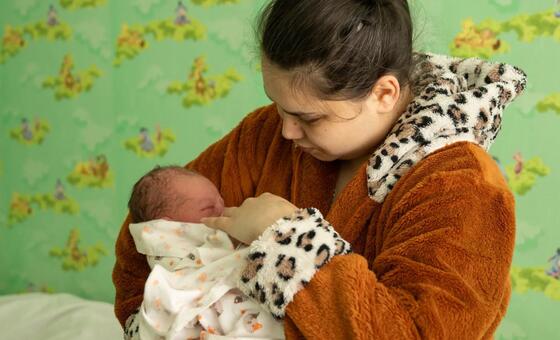
Kharkiv is building underground maternity wards with UN support to protect mothers and newborns from missile strikes. Here's how these safe spaces are transforming care in frontline areas.
When you think about giving birth, you probably imagine a quiet room, soft lighting, and a team of nurses ready to help. You don't imagine air raid sirens. But for thousands of women in Ukraine, that's the reality. On the fifth year of full-scale war, the healthcare system is stretched thinner than ever. And in frontline areas, the strain is hitting mothers and newborns the hardest.
Here's the thing: this isn't just about medical supplies or hospital beds. It's about basic access to care. Women in places like Kharkiv are struggling to get gynecological checkups, prenatal visits, and postpartum support. Some can't even reach a clinic safely. And for survivors of gender-based violence, the situation is even more desperate. So when I heard about the new underground maternity wards being built with UN support, I knew this was a story worth digging into.
### Why Underground Maternity Wards Matter
Let's be clear: underground hospitals aren't a new concept. Bunkers and basement clinics have been used in conflict zones for decades. But what's happening in Kharkiv is different. These aren't just makeshift shelters. They're fully equipped maternity units designed to keep mothers and newborns safe during missile strikes.
Think about it. A typical labor can last 12 to 18 hours. That's a long time to be above ground when the sirens go off. Moving a woman in active labor to a basement is risky. But if the entire maternity ward is already underground, you eliminate that dangerous transfer. It's a simple idea, but it could save countless lives.
### The Reality for Women in Frontline Areas
Here's what many people don't realize: the war's impact on women's health goes far beyond bombings. According to recent reports, access to sexual and reproductive health services has dropped dramatically in frontline regions. Women are delaying prenatal care because they can't safely travel. Others are skipping routine gynecological exams because clinics are damaged or closed.
And then there's the issue of gender-based violence. In times of conflict, rates of domestic violence and sexual assault tend to spike. But when shelters and support services are destroyed, survivors have nowhere to turn. The underground wards in Kharkiv are designed to address this too, offering a safe space where women can receive both medical care and psychological support.
### What the UN-Supported Project Includes
The initiative, backed by the United Nations, goes beyond just building walls underground. Here's what's being set up:
- **Fully equipped delivery rooms** with emergency obstetric care, including cesarean section capabilities
- **Neonatal intensive care units** for premature or at-risk newborns
- **Postpartum recovery areas** with private spaces for breastfeeding and bonding
- **Counseling rooms** for survivors of gender-based violence, staffed by trained psychologists
- **Emergency power and water systems** to ensure operations continue even during prolonged outages
These aren't bare-bones shelters. They're designed to meet the same standards as a modern hospital ward, just with a concrete ceiling and a lot more protection.
### The Bigger Picture: Healthcare Under Siege
It's easy to focus on the physical infrastructure, but the real story here is about resilience. Ukrainian healthcare workers are performing medical miracles under impossible conditions. They're performing surgeries by flashlight, delivering babies during blackouts, and comforting terrified mothers while bombs fall overhead.
The underground wards in Kharkiv represent something bigger than concrete and medical equipment. They represent a commitment to protecting the most vulnerable, even when everything around them is falling apart.
### What This Means for the Future
If the project in Kharkiv succeeds, it could become a model for other conflict zones around the world. We're already seeing similar approaches in Gaza and parts of Syria. But the key takeaway is this: when we invest in protecting mothers and newborns, we're investing in the future of entire communities.
For now, the women of Kharkiv are getting a fighting chance. And that's something worth celebrating, even in the darkest of times.