Underground Maternity Wards: How Kharkiv Is Protecting Mothers and Newborns
Eleanor Vance ·
Listen to this article~5 min
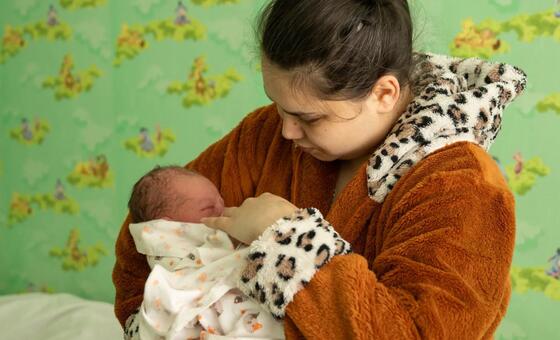
Kharkiv is moving maternity and neonatal care underground with UN support. Discover how these bunker-like wards are protecting mothers and newborns amid relentless shelling and strained healthcare systems.
When you think about a hospital, you probably picture bright hallways, the smell of antiseptic, and maybe a vending machine that's been out of order since 2019. You don't picture concrete bunkers, dim emergency lighting, or the muffled sound of sirens overhead. But in Kharkiv, Ukraine, that's the new reality for expectant mothers.
We're now in the fifth year of a full-scale war, and the situation across many regions of Ukraine remains tense. The healthcare system is running under an enormous strain, especially in areas close to the front lines. For women in these zones, accessing sexual and reproductive health services has become a daily struggle. Routine gynecological visits, prenatal checkups, and postpartum care are no longer simple appointments—they're logistical nightmares wrapped in constant danger.
### The Crushing Reality of Frontline Healthcare
Let's be honest: war doesn't take a break, and neither does the need for medical care. Babies are still born. Pregnancies still progress. Women still need support, whether that's for a routine exam or for surviving gender-based violence.
In the most affected areas, the infrastructure we take for granted—clean water, reliable electricity, a safe roof—is fragile. A maternity ward on the surface is a target. So, what do you do when the safest place for a newborn is six feet underground?
### A Bold Solution: Moving Care Underground
That's exactly the question that Kharkiv authorities, with support from the United Nations, are answering. They're equipping underground departments specifically designed for women in labor and for newborns. These aren't just makeshift bomb shelters with a few cots. They're being outfitted to function as actual medical units.
Think about what that requires:
- **Specialized equipment** for neonatal resuscitation and monitoring.
- **Operating rooms** that can handle emergency C-sections.
- **Sterile environments** that prevent infection in the most challenging conditions.
- **Backup power systems** that keep life-saving machines running when the grid fails.
It's a monumental task, but it's also a testament to human resilience. We're not just talking about survival; we're talking about dignity. The goal is to ensure that a woman giving birth in a war zone has the same chance of a safe delivery as someone in a peaceful suburb of Chicago.
### More Than Just Deliveries
The scope of these underground facilities goes beyond just the moment of birth. They're designed to be a refuge for comprehensive care. This includes:
- **Postpartum support** for mothers who need recovery time and breastfeeding assistance.
- **Gynecological consultations** that were previously interrupted by shelling.
- **Crisis intervention** for survivors of gender-based violence, offering a safe space to speak and receive medical and psychological help.
It's heartbreaking that we have to build hospitals underground to keep people safe. But it's also inspiring to see the international community step up. The UN's involvement isn't just about funding; it's about acknowledging that reproductive health is a fundamental right, even in the middle of a conflict.
### The Human Cost of Inaccessibility
When services are disrupted, the consequences are severe. Women who miss prenatal appointments might miss warning signs. Those who can't access contraception face unintended pregnancies in impossible circumstances. And survivors of violence who have nowhere to turn are left isolated.
This isn't just a statistic. It's a mother in a basement trying to keep her baby quiet during an air raid. It's a nurse performing triage by flashlight. It's a doctor who hasn't seen her own children in weeks because she's living at the hospital.
### A Glimmer of Hope
The initiative in Kharkiv is a lifeline. It won't stop the war, and it won't erase the trauma. But it does send a clear message: even in the darkest times, we won't abandon the most vulnerable among us.
For the professionals working on the ground—the doctors, the midwives, the aid workers—this is a massive undertaking. But for the families who will use these wards, it means the difference between fear and a sliver of peace. It means that when a baby takes their first breath, it won't be in a cold, dirty tunnel. It'll be in a place built to protect them, even as the world outside shakes.