Kharkiv's Underground Maternity Wards: A Safe Haven Under Fire
Eleanor Vance ·
Listen to this article~4 min
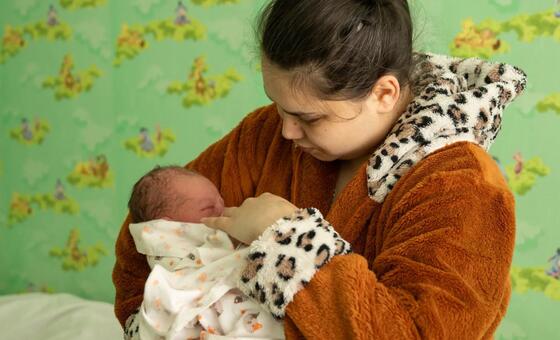
Five years into the war, Kharkiv is moving maternity care underground with UN support. Discover how these subterranean wards are protecting mothers and newborns from the bombs above.
Five years into a full-scale war, Ukraine's healthcare system is running on fumes. Nowhere is that more painfully true than in the frontline regions, where the constant threat of shelling has turned the most basic medical care into a logistical nightmare. For pregnant women and new mothers, the stakes are unimaginably high.
Imagine going into labor while air raid sirens wail. Or not being able to reach a gynecologist because the nearest clinic was hit by a missile last week. This is the brutal reality for thousands of women in Kharkiv and other cities near the front lines. Access to routine checkups, prenatal vitamins, and safe delivery rooms has become a matter of life and death.
### The New Reality of Maternal Care
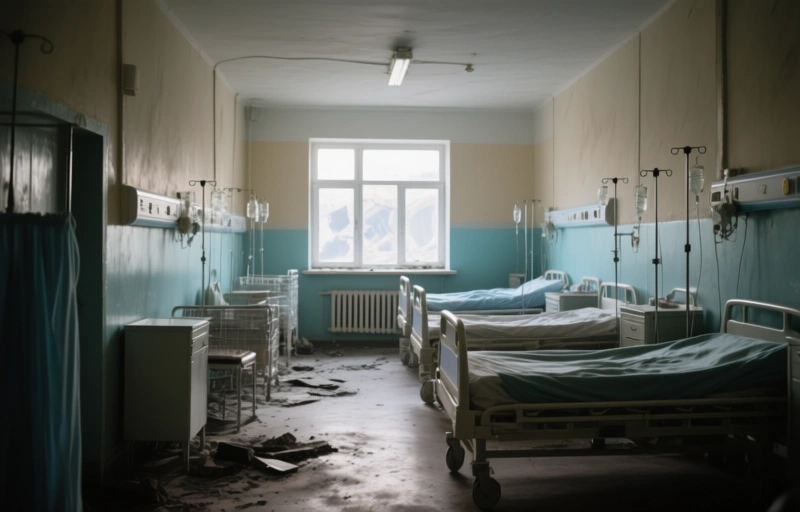
The war has created a perfect storm of challenges for reproductive health services. Hospitals that once offered comprehensive gynecological, prenatal, and postnatal care are now either damaged, understaffed, or simply too dangerous to reach. The psychological toll is just as devastating as the physical one. Women are navigating pregnancy and childbirth during an active conflict, often without their partners, families, or support networks.
But here's the thing about crisis: it forces innovation. And in Kharkiv, that innovation is literally going underground.
### A Lifeline Beneath the Surface
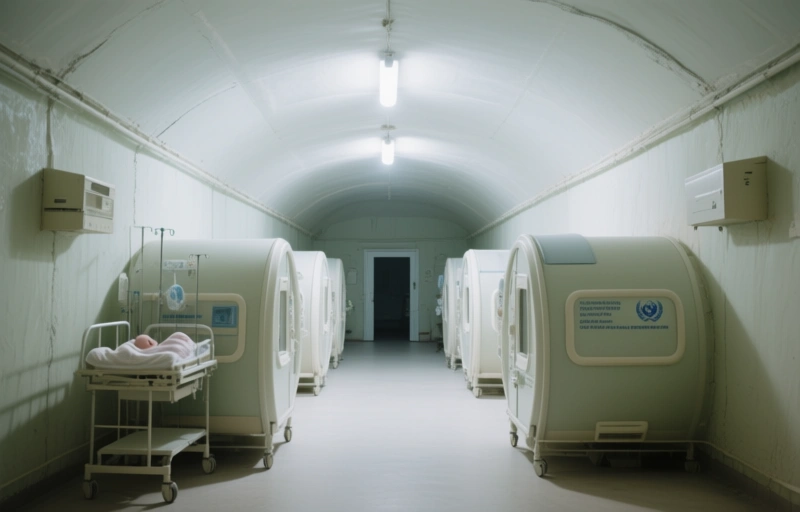
With support from the United Nations, the city is retrofitting underground spaces into fully equipped maternity and neonatal units. These aren't just bomb shelters with a few cots. We're talking about proper medical facilities—operating theaters, recovery rooms, and intensive care units for fragile newborns—all built to withstand the worst that war can throw at them.
The logic is simple but brilliant. If you can't guarantee safety above ground, you move the critical services below it. These subterranean wards offer a layer of protection that ground-level hospitals simply can't provide. For a mother holding her hours-old baby, the difference between a concrete ceiling and a standard one might be the difference between life and death.
### Why This Matters Beyond Ukraine
The Kharkiv project is more than a local humanitarian effort; it's a blueprint for conflict-zone medicine. Here's what makes it so significant:
- **Continuity of care**: Women can receive consistent prenatal and postnatal support, even during active shelling.
- **Safety for the most vulnerable**: Newborns and their mothers get a fighting chance against both the elements and the bombs.
- **A model for the world**: Other war-torn regions can adapt this approach to protect their own civilian populations.
It's a stark reminder that war doesn't pause for childbirth. It doesn't care about due dates or ultrasound appointments. So the medical community is adapting, finding ways to keep the most innocent victims of conflict—babies who never asked to be born into a warzone—as safe as humanly possible.
### The Human Cost Behind the Headlines
Behind every statistic about disrupted services is a real woman making impossible choices. Do I risk the journey to a hospital that might be hit? Do I stay home and hope for the best? These are questions no expectant mother should ever have to answer. The UN-backed initiative in Kharkiv is a direct response to that agony—a commitment to say, "We will not abandon you."
It's not a perfect solution. Nothing in a warzone is. But it's a significant step toward ensuring that even in the darkest of times, the most basic human right—the right to bring a new life into the world safely—is still honored.
As the war grinds on, these underground wards stand as a testament to resilience. They are a quiet, concrete promise that even when the world above falls apart, there's still a place where hope can breathe.