Kharkiv's Underground Maternity Wards Could Save Lives in War Zones
David Davis ·
Listen to this article~4 min
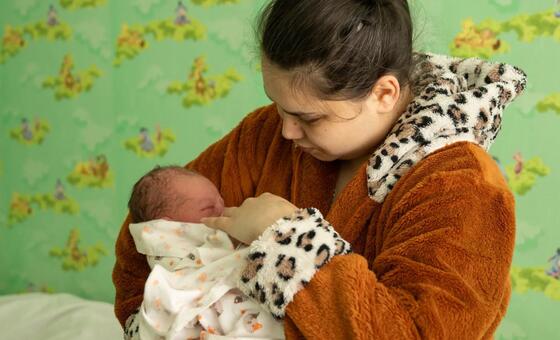
Kharkiv is building underground maternity wards with UN support to protect mothers and newborns from shelling. Discover how these facilities are transforming reproductive healthcare in war zones.
The fifth year of full-scale war has pushed Ukraine's healthcare system to its breaking point. Hospitals are overcrowded, supplies are stretched thin, and the constant threat of attacks makes even routine medical visits feel like a gamble. But in Kharkiv, a city that has endured relentless shelling, something remarkable is taking shape: underground maternity wards designed to protect mothers and newborns when the world above becomes too dangerous.
For women living near the front lines, the struggle to access basic reproductive healthcare has become a daily reality. Gynecological checkups, prenatal care, and postpartum support are no longer simple appointments. They're logistical nightmares that require timing, transportation, and sometimes sheer luck. And for those who experience gender-based violence, finding help can feel nearly impossible.
### Why Underground Wards Matter Now
When air raid sirens wail, the safest place is below ground. That's the logic behind these new underground facilities. They're not just bomb shelters with beds—they're fully equipped medical units where women can give birth, receive emergency care, and recover without the constant fear of shrapnel or collapsing buildings.
The United Nations is backing this initiative, recognizing that reproductive health cannot wait for a ceasefire. The funding covers everything from reinforced walls to advanced medical equipment. For the women of Kharkiv, this means a chance to bring new life into the world with a semblance of safety.
### What These Facilities Provide
- **24/7 obstetric care** for high-risk pregnancies and emergency deliveries
- **Neonatal units** equipped to stabilize premature or underweight newborns
- **Private consultation rooms** for survivors of gender-based violence
- **Mental health support** for mothers dealing with trauma and displacement
- **Postpartum recovery spaces** that shield patients from the chaos above
But it's not just about the physical infrastructure. These wards are staffed by doctors and nurses who have chosen to stay despite the danger. They're people who understand that a mother's health is the foundation of a community's resilience. Their dedication is nothing short of heroic.
### The Broader Picture
Kharkiv isn't alone in facing these challenges. Across Ukraine, healthcare workers are improvising, adapting, and finding ways to serve their patients under impossible conditions. The underground maternity wards are a symbol of that perseverance—a statement that even in the darkest times, life finds a way to continue.
For international observers, this project raises an important question: if healthcare can go underground to survive war, what other innovations might emerge from this crisis? The answer could reshape how we think about emergency medicine in conflict zones worldwide.
### What This Means for Mothers and Families
Imagine going into labor while explosions echo in the distance. Now imagine knowing there's a place where you can deliver your baby safely, with doctors who won't abandon you. That peace of mind is priceless. For families in Kharkiv, these wards represent more than medical care—they represent hope.
There's still a long road ahead. The war shows no signs of ending soon, and the need for such facilities will only grow. But every underground ward that opens is a victory for humanity. It's proof that even when the world above is falling apart, we can build sanctuaries below.
If you're reading this and wondering how you can help, consider supporting organizations that fund reproductive health services in conflict zones. Every dollar counts, and every life saved is a testament to what we can achieve when we refuse to look away.