The Land That Feeds the World: Healing Pastures in Kenya and Kazakhstan
Robert Johnson ·
Listen to this article~5 min
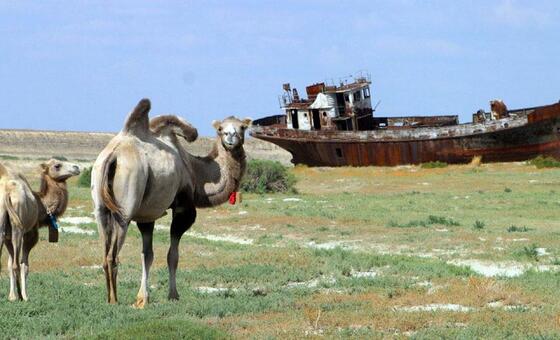
Kenya, Kazakhstan, and Botswana are restoring degraded pastures by merging scientific tools with traditional herding knowledge. Discover how rotational grazing, native reseeding, and community-led management are bringing grasslands—and livelihoods—back to life.
What do Botswana, Kazakhstan, and Kenya have in common? At first glance, they couldn't be more different. One is a diamond-rich nation in southern Africa, another is the heart of Central Asia's steppe, and the third is famous for its savannahs and wildlife safaris. But look closer, and you'll find they've all learned the same hard lesson over the years: restoring pastureland works best when science teams up with traditional knowledge. That's not just a nice idea—it's a survival strategy.
Here's the thing about grasslands. They cover about 40 percent of the Earth's land surface, yet we rarely give them a second thought. We think of forests when we talk about climate change, but pastures are just as critical. They store carbon in their roots, feed billions of livestock, and support the livelihoods of hundreds of millions of people. When they degrade, everything falls apart. So, how do you bring them back?
### The Problem Nobody Talks About
Overgrazing, drought, and poor land management have turned once-lush pastures into dust bowls. In Kenya, the Maasai have watched their traditional grazing lands shrink for decades. In Kazakhstan, the Soviet era left behind a legacy of abandoned fields and eroded soil. And in Botswana, recurring droughts have pushed cattle farmers to the brink.
The old way of thinking was simple: more cattle equals more wealth. But that approach ignores the land's limits. When too many animals graze the same patch, they eat the grass down to the roots, and the soil loses its ability to hold water. Before long, you're left with bare ground, invasive weeds, and a dust problem that chokes the air for miles.
### When Science Meets Tradition
Here's where it gets interesting. Instead of choosing between modern science and age-old practices, these countries started blending both. Researchers began studying how traditional herders moved their animals, and they discovered something surprising: the herders were onto something all along.
Nomadic grazing, where livestock move frequently and rest certain areas, mimics the natural patterns of wild herds. It gives grass time to recover and lets manure fertilize the soil naturally. Scientists added their own tools—satellite imagery, soil testing, and data on rainfall patterns—to fine-tune these movements.
- Rotational grazing systems that let pastures rest for weeks or months
- Water catchment techniques that store rainwater for dry spells
- Native grass reseeding projects that bring back local species
- Community-led fire management to control invasive brush
### Real Results on the Ground
In Kenya's Amboseli region, communities have restored thousands of acres of grassland by combining Maasai knowledge with GPS tracking. Herders now know exactly where to move their cattle, and the grass has come back thicker than anyone remembers. In Kazakhstan, farmers are reviving ancient migration routes, and the steppe is greening up again.
What's the payoff? Healthier soil, more reliable water, and cattle that gain weight faster. That means more money in farmers' pockets and less pressure on wild habitats. It's not a quick fix, but it's a lasting one.
### Why This Matters for the Rest of Us
You might be thinking, "I don't raise cattle, so why should I care?" Fair question. But here's the kicker: these grasslands feed the world. They produce beef, milk, wool, and leather for global markets. When they fail, food prices climb, and communities fracture.
There's also the climate angle. Restored grasslands can pull significant amounts of carbon dioxide out of the atmosphere. Some studies suggest that well-managed pastures could offset a meaningful chunk of global emissions. That's not just good news for Kenya or Kazakhstan—it's good news for everyone.
### The Takeaway
The lesson from Botswana, Kazakhstan, and Kenya is clear: the best solutions often come from listening to the people who've lived on the land for generations, then backing them up with modern tools. It's not about picking sides. It's about teamwork.
If we want to keep feeding a growing planet, we need to take care of the ground beneath our feet. And maybe, just maybe, the answers are already out there—in the wisdom of herders who've known all along that the land gives back when you treat it right.