The Land That Feeds the World: How Kenya and Kazakhstan Are Restoring Their Pastures
Robert Jones ·
Listen to this article~4 min
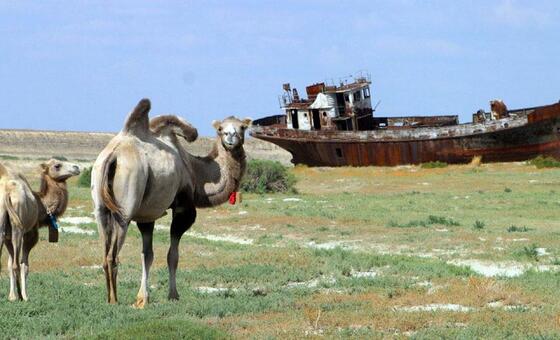
Kenya and Kazakhstan are proving that restoring pastureland works best when science meets traditional wisdom. Here's how these nations are healing the land that feeds the world.
What do Botswana, Kazakhstan, and Kenya have in common? It's not just a shared love for wide-open spaces. Over the years, they've all learned a powerful lesson: restoring pastureland works best when science and traditional knowledge join forces. And that's a story worth telling.
Here's the thing—grasslands cover about 40 percent of the Earth's land surface. They feed billions of livestock, support wildlife, and store massive amounts of carbon. But overgrazing, drought, and poor land management have turned many of these vital ecosystems into dust. The good news? It doesn't have to stay that way.
### Why Pasture Restoration Matters More Than Ever
Think of healthy pasture as a living bank account. When you manage it well, it pays dividends in the form of nutritious grass, clean water, and thriving soil. When you overdraw it, you get erosion, desertification, and empty fields. The stakes are high, especially for countries like Kenya and Kazakhstan, where millions of people depend on livestock for their livelihood.
In Kenya, pastoralists have grazed cattle on the savanna for centuries. They know the land intimately—which grasses are nutritious, when to move herds, and how to read the sky for rain. But climate change has thrown their traditional calendar into chaos. Droughts last longer. Rain comes in violent bursts that wash away topsoil. The old ways alone aren't enough anymore.
Kazakhstan faces a different challenge. After the Soviet Union collapsed, vast areas of pasture were abandoned, and the land fell into disrepair. When grazing resumed, it was often unmanaged and uneven. Some areas got hammered while others grew thick with invasive weeds. The result? A patchwork of degraded and overgrown land that doesn't serve anyone well.
### The Power of Combining Old Wisdom with New Science
Here's where the magic happens. Instead of choosing between tradition and technology, these countries are blending both. Scientists use satellite imagery to map vegetation health and soil moisture. They track rainfall patterns and predict which areas can support grazing. But they don't stop there—they sit down with local herders and listen.
- Herders share their knowledge of seasonal migration routes and water sources
- Scientists provide data on grass recovery rates and soil composition
- Together, they create grazing plans that mimic natural herd movements
- Communities monitor results and adjust as conditions change
This isn't just theory. In Kenya's northern rangelands, community conservancies have seen grass cover increase by up to 30 percent in just a few years. In Kazakhstan, pilot projects using rotational grazing have boosted forage production and brought back native plant species. The results speak for themselves.
### The Economic Case for Restoration
Restoring pastures isn't just good for the environment—it's smart economics. Healthy rangeland means healthier livestock, which means more meat, milk, and income for families. In the United States, we understand this too. Our own ranching heritage depends on the same principles of careful stewardship.
Consider this: degraded pasture can lose up to 50 percent of its productivity. That's a direct hit to a herder's bottom line. But with restoration, those lands can bounce back within a few seasons. The investment in time and resources pays off many times over, not just in cash but in resilience against future shocks.
### Lessons We Can All Apply
What can we take away from these efforts? First, no single approach works everywhere. Local conditions matter, and so does local knowledge. Second, restoration is a long game—there are no quick fixes. And third, collaboration beats isolation every time.
Whether you're a farmer in Kansas or a pastoralist in the Rift Valley, the principles are the same: observe, adapt, and work with nature rather than against it. The land that feeds the world deserves our best thinking and our deepest respect.
As these countries show, the path forward isn't about choosing between science and tradition—it's about letting them strengthen each other. That's a lesson worth learning, no matter where you call home.