The Land That Feeds the World: How Kenya and Kazakhstan Are Reviving Their Pastures
Emily Taylor ·
Listen to this article~5 min
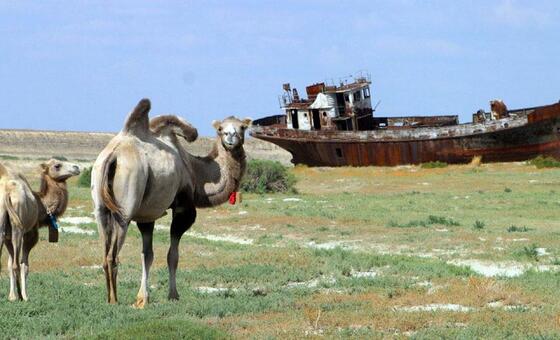
Kenya, Kazakhstan, and Botswana share a surprising lesson: restoring pastureland works best when science teams up with traditional knowledge. Here's how this powerful combination is reviving grasslands.
What do Botswana, Kazakhstan, and Kenya have in common? At first glance, not much. They sit on different continents, speak different languages, and face wildly different climates. But over the years, each country has stumbled onto the same hard-won lesson: restoring pastureland works best when science and traditional knowledge join forces.
That's not just a nice idea. It's a survival strategy. For millions of people in these regions, grazing lands are the backbone of daily life—providing food, income, and a way of life that's stretched back generations. When those lands degrade, everything starts to unravel.
### Why Pastures Matter More Than You Think
It's easy to overlook grasslands. They don't have the drama of rainforests or the grandeur of mountains. But pasturelands cover roughly 40 percent of Earth's land surface, and they feed billions of livestock that, in turn, feed us. In places like Kenya and Kazakhstan, healthy pastures aren't just scenery—they're the difference between thriving communities and struggling ones.
When overgrazing, drought, or poor land management takes hold, the soil loses its ability to hold water. Plants die off. Dust blows in. Livestock starve. And the people who depend on them face a cascade of problems that can spiral into poverty or forced migration.
The fix isn't as simple as planting more grass and hoping for the best. It takes a deeper understanding of how these ecosystems work—and that's where the fusion of old and new becomes so powerful.
### What Traditional Knowledge Brings to the Table
Here's something that might surprise you: herders in these regions have been managing land sustainably for centuries. Long before satellite imagery or soil sensors, they understood patterns of grazing, rest, and rotation that kept the land productive.
In Kenya, for example, pastoralist communities have long practiced a form of rotational grazing. They move their cattle in ways that mimic the natural migration of wild herds. This gives grasses time to recover and prevents any single area from being stripped bare. It's a system refined over generations, passed down through stories and lived experience.
In Kazakhstan, nomadic herders once roamed vast steppes with a similar rhythm. They knew which areas to use in which seasons, and they understood the delicate balance between livestock numbers and available forage. That knowledge was nearly lost during the Soviet era, when centralized farming pushed for maximum output without regard for long-term health. The result? Massive soil erosion and desertification that's still being felt today.
### Where Modern Science Steps In
Traditional knowledge is powerful, but it has limits. Climate change is shifting rainfall patterns in ways that even the most experienced herders haven't seen before. That's where modern science becomes a vital partner.
Researchers are now using satellite data to monitor vegetation health in real time. They can spot early warning signs of degradation that the human eye might miss. Soil scientists are analyzing microbial communities to understand what makes some grasslands bounce back faster than others. And ecologists are working with local communities to design grazing plans that blend ancient wisdom with data-driven precision.
The results are encouraging. In parts of Kenya, projects that combine traditional rotational grazing with modern monitoring have seen significant improvements in grass cover and soil moisture. In Kazakhstan, similar efforts are helping to restore steppe lands that were once written off as lost.
### The Lesson That Connects Continents
So what's the real takeaway here? It's that we don't have to choose between old ways and new ways. The strongest solutions come from listening to both.
Science can validate and refine what traditional knowledge already knows. And traditional knowledge can ground science in the realities of the land and the people who live on it. When those two forces align, the results are more resilient pastures, healthier livestock, and stronger communities.
This isn't just a story about Kenya or Kazakhstan. It's a model for how we can tackle complex environmental challenges anywhere—including right here in the United States, where ranchers and land managers face similar pressures.
The land that feeds the world doesn't have a single solution. But it does have a common path forward: one that respects the past while embracing the future.